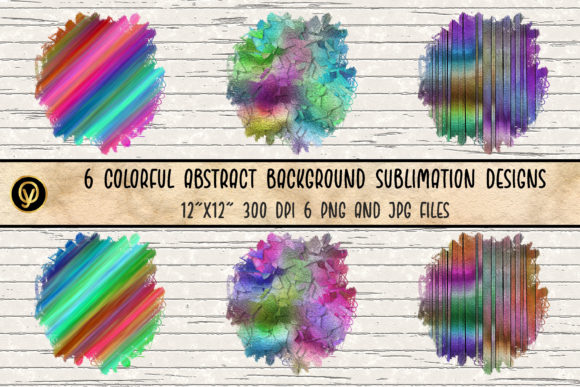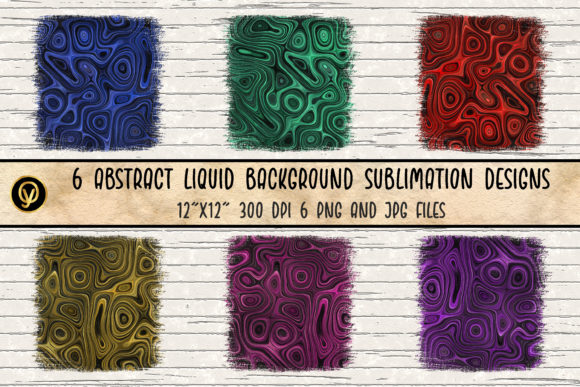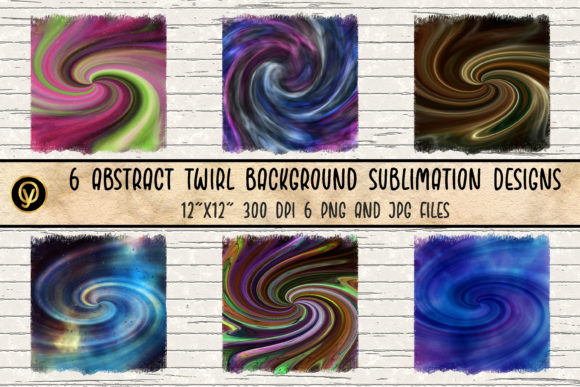
Colorful Horizontal Background
In the digital landscape where attention is a finite currency, visual hierarchy dictates success. A Colorful Horizontal Background serves as more than a mere aesthetic choice; it acts as a foundational strategic element that can guide user focus, establish brand tone, and enhance information retention. When designed with high-resolution vector graphics featuring fluid gradients, oblique shapes, and dynamic shadows, this asset transforms from simple decoration into a powerful communication tool.
For entrepreneurs, marketers, and creative professionals, understanding the utility of such a design resource is essential. It is not about choosing a pretty picture; it is about selecting a visual framework that supports your specific business goals, whether that involves launching a new product, creating an educational module, or rebranding a corporate identity. The versatility of multi-gradient colors combined with shiny, futuristic textures allows for a modern approach to visual storytelling that resonates with audiences aged 20 to 50 who expect vibrant, engaging, and professional digital experiences.
Strategic Application in Branding and Marketing
The primary value of a Colorful Horizontal Background lies in its ability to set a mood without overwhelming the content. Unlike static, solid colors which can sometimes feel flat or dated, horizontal backgrounds with flowing gradients and geometric patterns introduce a sense of motion and energy. This is particularly effective for businesses aiming to project innovation, creativity, or forward-thinking capabilities.
- Brand Positioning: When used in banners, social media headers, or website hero sections, the oblique lines and circular elements create a dynamic flow that suggests movement and progress. This aligns perfectly with tech startups, creative agencies, and lifestyle brands looking to differentiate themselves in a crowded market.
- Visual Consistency: Because these files are fully editable vectors (AI, EPS, SVG), you can adapt the color palette to match your existing brand guidelines while maintaining the structural integrity of the design. Whether you need a blue-centric scheme for trust and stability or a multicolor rainbow approach for inclusivity and fun, the underlying geometry remains robust.
- Cross-Platform Versatility: High-resolution assets at 300dpi ensure that your branding looks crisp on everything from mobile screens to large-format printed materials. This consistency across touchpoints builds trust and reinforces professional credibility.
Enhancing Communication and Content Presentation
Effective communication relies on guiding the viewer's eye. A well-structured Colorful Horizontal Background utilizes light, shadow, and shine to create depth, allowing text and data to pop against the backdrop. This is critical for educators, bloggers, and publishers who need to make complex information digestible and visually appealing.
Consider the use case of a presentation deck or an infographic. A plain white slide often fails to engage an audience after the first few minutes. By integrating a background with fluid, colorful flows, you break the monotony and re-engage cognitive processing. The gradient transitions naturally lead the eye from one point to another, subtly directing attention toward key statistics, quotes, or calls to action.
Furthermore, the "shiny" and "modern" attributes of these designs reduce visual fatigue. In long-form content like e-books or whitepapers, a decorative yet structured background can serve as a visual anchor, making the reading experience less daunting and more immersive. This strategic layering of texture over typography ensures that the message is not just seen, but felt.
Operational Efficiency and Creative Workflow
For freelancers, designers, and small business owners, time is a valuable commodity. The technical specifications of a Colorful Horizontal Background file—specifically its organization and editability—are significant operational advantages. When a design file contains well-organized layers, editable text, and independent shapes, the workflow shifts from "creating from scratch" to "customizing for purpose."
This efficiency translates directly into better decision-making regarding resource allocation. Instead of spending hours manipulating pixels in a raster image editor, professionals can adjust vector paths and color swatches instantly. This flexibility allows for rapid iteration based on feedback, ensuring that the final output meets strategic objectives before launch.
- Rapid Prototyping: Test different color combinations and layout variations quickly to see what resonates with your target demographic.
- Scalability: Vector graphics ensure that your designs remain sharp regardless of size. You can scale a background for a billboard or shrink it for a favicon without losing quality, eliminating the need to purchase multiple versions of the same asset.
- Cost-Effectiveness: Investing in a high-quality, reusable template reduces long-term production costs. One comprehensive file can support campaigns across web, print, and social media, maximizing the return on investment.
Decision-Making: When and How to Use
While the potential of a Colorful Horizontal Background is vast, its application requires thoughtful consideration. Not every context benefits from a vibrant, multi-colored, or futuristic aesthetic. Strategic deployment depends on the nature of your message and the expectations of your audience.
Appropriate Contexts:
- Trendy and Modern Industries: Tech, fashion, entertainment, and lifestyle sectors thrive on visual dynamism. Here, the oblique angles and fluid shapes communicate agility and trend awareness.
- Event Promotion: Conferences, workshops, and festivals require energy. A bright, gradient-rich background captures excitement and encourages registration.
- Creative Portfolios: For artists and designers, using such a background demonstrates technical proficiency and an eye for detail.
Potential Risks and Mitigation:
The primary risk of relying on a highly decorative background is visual clutter. If the gradient is too intense or the colors too saturated, they can compete with the core message, causing cognitive overload. To mitigate this:
- Maintain Contrast: Ensure sufficient contrast between the background and foreground text. Use shadows and opacity adjustments to separate layers effectively.
- Define Hierarchy: Do not let the background dominate. It should frame the content, not obscure it. Use the "less is more" principle when placing critical information.
- Audience Alignment: Avoid overly chaotic patterns if targeting conservative industries like finance or healthcare, unless the goal is specifically to disrupt traditional perceptions.
Long-Term Value and Adaptability
Investing in high-quality graphic resources is an investment in long-term brand equity. A Colorful Horizontal Background is not a fleeting trend; it is a versatile asset that can evolve with your business. As your brand grows, the ability to tweak the existing vector file to reflect new color strategies or campaign themes ensures continuity.
The inclusion of multiple file formats (AI, EPS, JPG, SVG) further extends the lifecycle of the asset. While the vector files allow for deep customization by designers, the JPG version provides immediate usability for non-designers within marketing teams or clients. This accessibility fosters collaboration and ensures that the visual strategy is executed consistently across all departments.
Ultimately, the decision to utilize a Colorful Horizontal Background should be driven by clear objectives. Are you trying to increase engagement? Enhance brand recognition? Simplify a complex process? When the visual element serves a functional purpose rather than being an afterthought, the results are measurable improvements in user experience and conversion rates. By approaching design with intentionality, leveraging the technical strengths of vector art, and respecting the needs of your audience, you transform a simple background into a strategic business tool.
Whether you are a seasoned marketer planning a global campaign or a freelancer building a client's portfolio, the right visual foundation makes the difference between noise and signal. Take the time to explore the possibilities of editable, high-resolution, and professionally crafted backgrounds. They offer a pathway to clearer communication, stronger branding, and more impactful results in an increasingly visual world.