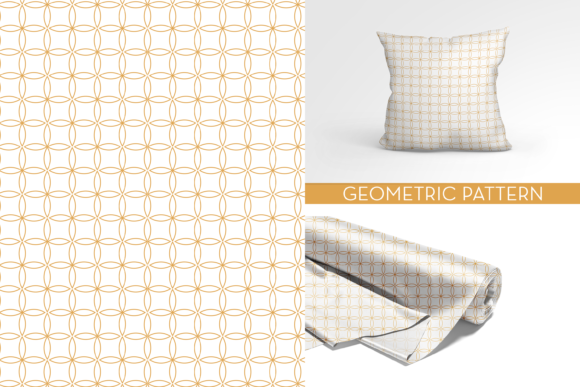
Geometric Seamless Pattern Design: A Strategic Asset for Modern Branding and Operations
In the competitive landscape of digital and physical commerce, visual consistency is not merely an aesthetic preference; it is a fundamental operational requirement. Geometric Seamless Pattern Design serves as a powerful tool for organizations seeking to unify their brand identity across diverse media channels. When executed with precision, these patterns transform from simple background textures into strategic assets that enhance recognition, streamline production workflows, and elevate the perceived value of products ranging from fashion textiles to interior decor.
The specific characteristics of high-resolution vector-based patterns, such as the Tartan Seamless Pattern described in modern design libraries, offer distinct advantages over static imagery. Unlike raster images that degrade when scaled, vector illustrations maintain crisp edges at any dimension. This scalability ensures that a logo or pattern element looks equally professional on a mobile wallpaper, a large-scale architectural rendering, or a small business card. For entrepreneurs and decision-makers, this technical reliability translates directly into reduced asset management costs and higher quality outputs.
The Strategic Value of High-Resolution Vector Assets
Understanding the file formats available—such as .Ai, .Eps, .SVG, and .DXF—is critical for making informed procurement decisions. These formats are not just technical specifications; they represent flexibility in your creative operations. An editable .Ai or .Eps file allows marketing teams to adjust color palettes to match seasonal trends without needing to recreate the entire design from scratch. This agility is essential for brands operating in fast-paced environments where adaptability drives success.
Consider the workflow implications. A designer working on a new line of decorative paper requires a seamless tile that can be repeated infinitely without visible seams. The provided 3000×2000 pixel dimensions in RGB color mode ensure that the pattern retains its integrity during the printing process. Furthermore, the availability of a .PNG file with a transparent background facilitates immediate integration into web interfaces, while the .JPG version with a white background supports quick mockups for client presentations. This variety eliminates the friction often associated with converting files between different software ecosystems.
Aligning Visual Identity with Business Goals
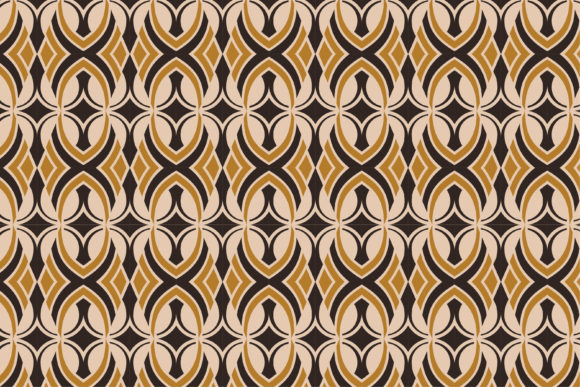
Effective use of geometric patterns goes beyond decoration; it supports clear communication and positioning. In the realm of fashion design, a trendy vector illustration like a tartan tile can evoke heritage, structure, and sophistication. When applied strategically, these designs signal to the consumer that the brand values tradition and quality. Similarly, in house interior design, geometric motifs can define a space's atmosphere, guiding customer experience through visual cues that suggest order and calm.
For educators and content creators, these unique designs serve as engaging educational tools. They can be used to illustrate concepts of symmetry, tessellation, and mathematical beauty in textbooks or online courses. The ability to customize templates quickly means that instructors can tailor materials to specific lesson plans without delaying curriculum development. This level of customization empowers professionals to deliver more relevant and impactful content, thereby enhancing learning outcomes.
Operational Efficiency Through Standardized Templates
One of the most significant benefits of adopting pre-designed, high-quality geometric patterns is the optimization of time and resources. Quick and easy to customize templates reduce the reliance on external agencies for every minor design iteration. Small business owners and freelancers can leverage these assets to produce a wide array of collateral—from hand crafts packaging to social media graphics—maintaining a cohesive look across all touchpoints.
This standardization supports long-term results by building a recognizable brand language. When a customer sees a consistent geometric motif on a product, a website, and a promotional flyer, trust is reinforced. However, this strategy requires discipline. It is vital to approach pattern selection with a clear understanding of the target audience and the intended medium. A pattern that works well for a corporate wall mural may appear cluttered on a minimalist app interface. Decision-makers must evaluate the context before deploying these assets.
Practical Applications Across Industries
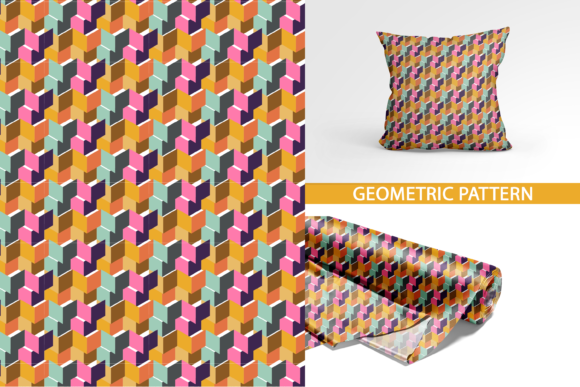
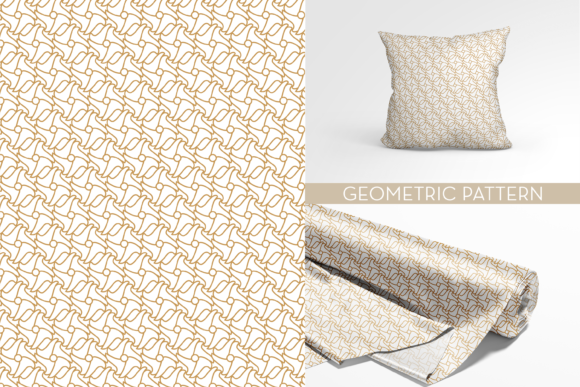
The versatility of seamless tartan tiles makes them suitable for a broad spectrum of industries. In the textile sector, these patterns are integral to creating fabrics that appeal to contemporary tastes while maintaining structural integrity. The seamless nature of the design ensures that when printed on rolls of fabric, there are no awkward breaks or misalignments, which is crucial for manufacturing efficiency.
- Wallpaper and Decor: High-resolution patterns allow for large-scale installations where detail matters. The vector format ensures that the intricate lines of a tartan design remain sharp even when viewed up close.
- Digital Products: Creators can utilize these designs as backgrounds for eBooks, presentations, or digital planners. The transparency options in .PNG files make layering elements straightforward, enabling complex compositions without losing clarity.
- Architectural Visualization: The .DXF file compatibility opens doors for architects and engineers who need to incorporate pattern data into AutoCAD projects. This interoperability bridges the gap between artistic design and technical implementation.
Risks of Unintentional Implementation
While the potential benefits are substantial, relying on generic patterns without a strategic framework carries risks. Overuse or inappropriate application can lead to visual fatigue, where the design distracts rather than enhances the core message. If a geometric pattern is too dominant, it may obscure important information or create a chaotic user experience. Furthermore, using low-quality or non-editable files can result in pixelation upon scaling, damaging the brand's reputation for professionalism.
Another pitfall is the lack of customization. Simply downloading a template and applying it blindly ignores the nuances of brand voice. A bold, high-contrast tartan might clash with a soft, pastel brand identity unless the colors are adjusted to fit the established palette. It is imperative to treat these assets as starting points for customization rather than finished solutions. The "easy customization" feature mentioned in the file specs should be utilized to align the design with specific organizational goals.
Guidelines for Intentional Usage
To maximize the return on investment from geometric seamless pattern design, adopt a methodical approach. Begin by defining the objective: Are you aiming to increase brand recall, improve user engagement, or simplify production? Once the goal is clear, select a pattern that complements the narrative. For instance, if the goal is to convey stability and reliability, a structured tartan pattern is preferable to a chaotic abstract shape.
Next, test the pattern across various mediums. Ensure that the contrast remains effective on both light and dark backgrounds. Verify that the resolution holds up in print and digital formats. Finally, document the usage guidelines within your organization. Create a style guide that specifies how the pattern should be scaled, what color variations are permitted, and where it should not be used. This documentation prevents inconsistent application and ensures that the design continues to support the brand's long-term vision.
Conclusion: Integrating Design into Strategy
The integration of high-resolution, editable geometric patterns into business operations represents a shift towards more efficient and visually coherent branding. By leveraging the flexibility of vector formats and the aesthetic power of seamless tiles, professionals can achieve better results with less effort. Whether for decorative paper, fashion design, or digital wallpapers, these assets provide a foundation for creativity that is both robust and adaptable.
Ultimately, the success of any design initiative lies in the intentionality behind its execution. Geometric Seamless Pattern Design offers a versatile toolkit, but it is the strategic mind of the user that determines its impact. By focusing on clear goals, understanding the technical capabilities of the files, and maintaining a disciplined approach to customization, businesses can turn simple patterns into enduring symbols of quality and innovation.