Navigating Wood Effect Leaves Sublimation Designs for Custom Projects
When selecting digital assets for sublimation projects, the choice of design often dictates the final aesthetic and durability of the finished product. Wood Effect Leaves Sublimation Designs represent a specific niche within the broader category of nature-inspired graphics, combining the organic texture of timber with the delicate structure of foliage. This combination offers a unique visual depth that differs significantly from standard vector illustrations or flat photographic prints. For crafters, small business owners, and graphic designers, understanding the distinct characteristics of this style is essential before committing to a purchase or starting a project.
The core appeal of these designs lies in their ability to merge two contrasting textures: the rugged, linear grain of wood and the soft, irregular edges of leaves. Unlike simple leaf silhouettes or generic wood backgrounds, this hybrid approach creates a layered effect that mimics natural decay or rustic decor. When applied correctly, it transforms plain surfaces into pieces that feel handcrafted and aged. However, the success of this application depends heavily on the technical specifications of the files provided and how they integrate with various substrates.
Technical Specifications and File Integrity
Before evaluating the artistic merit of any design pack, one must consider the technical foundation that supports the print. High-quality sublimation relies entirely on resolution and color fidelity. A common pitfall in digital crafting is purchasing low-resolution images that appear sharp on a screen but pixelate when printed on a 12x12 inch surface. The ideal package for serious projects should include both PNG and JPG formats to accommodate different software workflows.
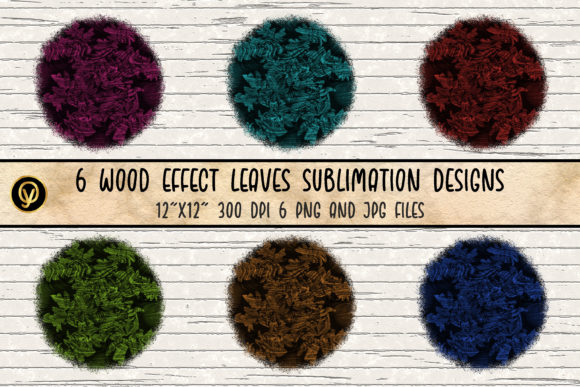
A robust set of Wood Effect Leaves Sublimation Designs typically provides six high-quality PNG files alongside six corresponding JPG files. The inclusion of transparent backgrounds in the PNG format is particularly critical. This feature allows users to layer the wood and leaf elements over other graphics, photographs, or solid colors without creating unwanted white boxes around the image. Without transparency, the design would be limited to printing only on matching backgrounds, severely restricting creative possibilities.
Resolution is another non-negotiable factor. Professional-grade files are measured in dots per inch (DPI), with 300 DPI being the industry standard for high-quality printing. At this resolution, an image sized at 12×12 inches translates to 3600×3600 pixels. This density ensures that fine details, such as the intricate veins in the leaves or the subtle knots in the wood grain, remain crisp even when scaled up. Lower resolutions may result in blurred edges or a "muddy" appearance after the heat transfer process, which can devalue the final product sold to customers.
Comparing Design Approaches and Formats
Consumers often face a decision between various styles of nature-themed sublimation art. To determine if Wood Effect Leaves Sublimation Designs are the right fit, it is helpful to compare them against alternative categories such as realistic botanical photography, vector line art, and abstract watercolor patterns.
Realistic Photography vs. Stylized Graphics
Photographic images of leaves offer a level of realism that stylized graphics cannot match. They capture the exact lighting, dew drops, and imperfections of real plants. However, photos often lack the flexibility required for complex designs. They usually come with busy backgrounds that are difficult to remove without damaging the subject. In contrast, the stylized nature of wood effect designs allows for easier manipulation. The user can place the design on a dark mug, a light t-shirt, or a patterned pillow without the background clashing with the substrate. The tradeoff here is a slight loss of photorealism in exchange for greater versatility.
Vector Art vs. Raster Images
Many designers prefer vector files because they can be resized infinitely without losing quality. However, vectors often struggle to replicate the organic, messy texture of wood grain or the translucent quality of dried leaves. Raster images, like the 300 DPI files mentioned earlier, excel at capturing these textural nuances. While vectors are better for clean logos and typography, raster-based wood effect leaves designs are superior for creating textured, rustic aesthetics. If the goal is to mimic the look of a physical object rather than a drawn icon, the high-resolution raster format is the necessary choice.
Solid Colors vs. Textured Backgrounds
Some sublimation packs offer solid-colored leaves or simple wood blocks. These are excellent for minimalist designs but can look flat and artificial on certain products. The value of the wood effect leaf design comes from its complexity. It provides a sense of history and environment that solid colors lack. This makes it particularly effective for decorative items where the story behind the object matters, such as artisanal packaging or home decor.
Practical Applications and Versatility
The utility of these designs extends far beyond a single use case. Because the files are provided in high resolution with transparent backgrounds, they can be adapted for a wide array of mediums. The versatility of the format means that a single pack can serve multiple purposes in a creator's workflow.
Apparel and Soft Goods
T-shirts, tote bags, and pillows are popular candidates for sublimation. On apparel, the wood effect adds a rustic, earthy tone that pairs well with vintage-style typography. The transparency of the PNG files allows the design to blend seamlessly with the fabric color, making the leaves look as though they are part of the shirt rather than just printed on top. For pillows and blankets, the 12×12 inch size is perfect for creating repeating patterns or large focal points that cover the entire surface area.
Hard Surface Decor
Mugs, plates, and tiles require precise alignment and high contrast. The detailed texture of the wood and leaves holds up well under the heat transfer process, retaining its definition on curved surfaces like mugs. Furthermore, the design works exceptionally well on decorative packaging. A box wrapped in paper featuring these designs instantly elevates the perceived value of the product inside, suggesting a connection to nature and craftsmanship.
Digital and Web Use
The utility of these files is not limited to physical printing. Graphic designers can utilize the high-resolution images for web design, social media posts, and digital wallpapers. The transparent backgrounds allow for easy integration into website headers or promotional banners. For social media projects, the 300 DPI quality ensures that the images look professional even when viewed on high-definition mobile screens. This dual-purpose capability makes the investment more valuable, as the same asset can drive both online engagement and physical sales.
Evaluating Tradeoffs and Decision Factors
While Wood Effect Leaves Sublimation Designs offer significant advantages, they are not a universal solution for every project. Understanding the limitations is key to making an informed decision. One primary consideration is the color palette. These designs typically rely on earth tones—browns, greens, tans, and grays. If a brand identity requires bright neon colors or vibrant pastels, this style may clash with the desired aesthetic. In such cases, a more colorful floral or geometric design might be a better fit.
Another factor is the intended audience. The rustic, natural vibe appeals strongly to demographics interested in farmhouse decor, eco-friendly products, and outdoor lifestyles. However, for clients seeking a modern, sleek, or futuristic look, the organic imperfections of wood grain and leaves might feel too dated or cluttered. The design carries a specific emotional weight that must align with the brand message.
Additionally, the file count in a typical pack—six PNGs and six JPGs—should be weighed against the volume of production needed. For a hobbyist working on occasional gifts, this quantity is ample. For a commercial manufacturer running high-volume orders, it may require purchasing multiple packs or supplementing with custom vector work to avoid repetition across different products. The cost-benefit analysis should factor in whether the variety of designs within the pack justifies the price compared to buying individual assets or hiring a designer for custom work.
Conclusion on Suitability
Selecting the right sublimation design involves balancing artistic vision with technical requirements. Wood Effect Leaves Sublimation Designs stand out for their ability to combine texture and form in a way that feels authentic and tactile. The provision of 300 DPI files in both transparent PNG and standard JPG formats ensures compatibility with a wide range of software and printing equipment. Whether used for custom t-shirts, decorative mugs, or digital branding materials, these assets provide a strong foundation for creating rustic, nature-inspired products.
However, they are best suited for projects that embrace an organic, warm, and textured aesthetic. For those prioritizing vibrant colors, ultra-modern minimalism, or infinite scalability via vectors, other options may be preferable. By carefully evaluating the specific needs of the project against the strengths of these designs, creators can ensure that their final output is both visually striking and technically sound.