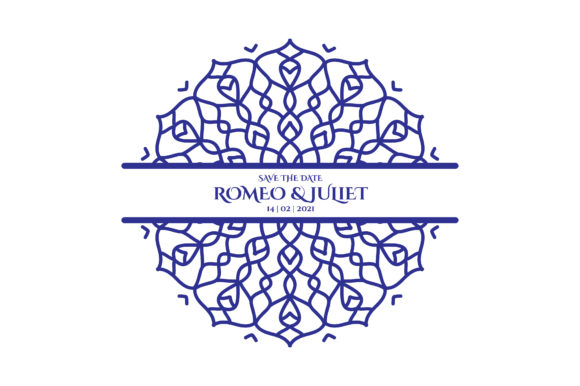
Ornament Mandala Save the Date: A Versatile Asset for Creatives and Professionals
In the rapidly evolving landscape of digital design and physical crafting, the demand for high-quality, adaptable assets has never been higher. Among the most versatile tools available to creators today is the Ornament Mandala Save the Date. This specific design element transcends the boundaries of a simple invitation graphic, serving as a foundational component for a wide array of artistic and commercial projects. Whether you are a wedding planner organizing an elaborate ceremony, a small business owner launching a product line, or an educator looking for engaging classroom materials, this mandala format offers a unique blend of aesthetic appeal and functional utility.
The Dual Nature of the Design: Invitation and Art
The core value of the Mandala save the date lies in its dual functionality. Traditionally, "save the date" cards are used to inform guests of an upcoming event, particularly weddings. However, when designed with intricate mandala patterns, these graphics transform into something far more substantial. The symmetry and complexity inherent in mandala designs invite interaction, making them perfect candidates for coloring activities. By providing a blank or partially filled version of the Ornament Mandala Save the Date, creators can offer their audience a therapeutic experience that doubles as a promotional tool.
This concept bridges the gap between passive consumption and active engagement. Instead of simply receiving a static image, users become participants in the creative process. For instance, a couple might send out black-and-white versions of their save-the-date to close family members, encouraging them to color the design before mailing it back. This not only creates a memorable keepsake but also generates a personal connection that standard printed cards often lack. The result is a deeper emotional investment in the event itself.
From Digital File to Physical Reality
One of the most significant advantages of acquiring this asset is the flexibility provided by the file formats. Users receive both an EPS Editable File and a JPG File, ensuring compatibility with various software and hardware ecosystems. The EPS format is crucial for professionals who require vector-based scalability. Unlike raster images that pixelate when enlarged, vector files allow designers to resize the Ornament Mandala Save the Date from a tiny sticker to a massive banner without losing any resolution or clarity. This makes the asset indispensable for large-format printing, signage, and detailed illustration work.
Conversely, the JPG file serves as an immediate solution for quick edits, web usage, and direct printing on home devices. It allows hobbyists and educators to access the design without needing advanced vector editing software like Adobe Illustrator. This combination of formats democratizes access to professional-grade design elements, empowering users across different skill levels to utilize the resource effectively.
Expanding Applications Beyond Invitations
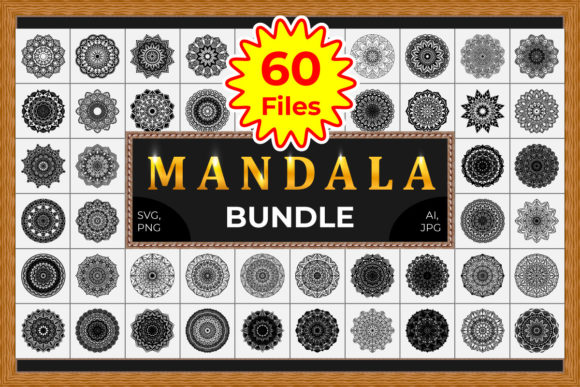
While the name suggests a primary use case for events, the potential applications of the Ornament Mandala Save the Date are virtually limitless. The intricate lines and balanced composition make it a favorite among scrapbookers, who appreciate the ability to layer the design over photos or journaling cards to add visual interest. In the realm of greeting cards, the mandala serves as a sophisticated background that conveys elegance and thoughtfulness, suitable for birthdays, anniversaries, or holidays.
The versatility extends into the world of party supplies and event decor. Designers can integrate the pattern into invitations, banners, and table settings, creating a cohesive theme that ties the entire event together. Furthermore, the design is ideal for creating custom stickers. Because the mandala is self-contained and visually complete, it cuts cleanly around the edges, making it perfect for labeling jars, decorating planners, or adding flair to laptops and water bottles.
For those interested in merchandise creation, the Mandala save the date is a goldmine. The high-contrast nature of the design translates exceptionally well to screen printing and heat transfer vinyl (HTV). T-shirt manufacturers can print the pattern in bold colors for a statement piece, while bag makers can use it to create tote bags that feature a meditative, artistic vibe. Similarly, sublimation printers find this design excellent for mugs and tumblers, where the circular symmetry of the mandala aligns perfectly with the cylindrical shape of the product, wrapping seamlessly around the surface.
Commercial Viability for Small Businesses
Entrepreneurs and small business owners will find particular value in the commercial potential of this asset. The rise of the handmade economy means there is a growing market for unique, personalized items. By incorporating the Ornament Mandala Save the Date into their product lines, sellers can differentiate themselves from competitors offering generic templates. The ability to edit the EPS file allows businesses to customize text, adjust colors, or modify specific sections of the mandala to fit their brand identity.
Consider a scenario where a stationery shop wants to launch a new line of wedding accessories. They can purchase the design, edit the central text to read "Save the Date," and then mass-produce it on various substrates. From eco-friendly paper invites to ceramic coasters, the adaptability of the vector file ensures consistency across all products. This level of customization is difficult to achieve with pre-made, non-editable graphics, giving businesses using this asset a distinct competitive edge.
Educational and Therapeutic Uses
Beyond commerce and events, the Ornament Mandala Save the Date holds significant merit in educational and therapeutic settings. Educators often seek resources that combine art with mindfulness. Coloring mandalas is a proven method for reducing stress and improving focus, making it an excellent activity for classrooms, therapy sessions, and community centers. By providing a themed mandala, teachers can introduce concepts of geometry, symmetry, and cultural appreciation while allowing students to relax through the act of coloring.
Researchers studying the effects of art therapy on mental health have noted the benefits of structured drawing tasks. The Mandala save the date provides a structured yet open-ended canvas. Participants are guided by the existing lines of the ornament but are free to choose their own color palettes and shading techniques. This balance of structure and freedom fosters creativity and self-expression. Moreover, because the design is available in a printable format, it can be easily distributed to large groups, facilitating group therapy exercises or collaborative art projects.
In homeschooling environments, parents can use these designs to teach children about patterns and repetition. The repetitive nature of the mandala helps develop fine motor skills and hand-eye coordination. As children grow older, they can move from simple crayon coloring to more complex mediums like markers, watercolors, or colored pencils, utilizing the same base design for years of artistic development.
Technical Considerations for Implementation
To maximize the utility of the Ornament Mandala Save the Date, users must understand how to leverage the provided file formats correctly. When working with the EPS file, it is essential to have software capable of opening vector paths. Once opened, designers can manipulate individual layers, change stroke widths, and convert outlines to fills. This level of control is vital for preparing files for professional printing services, which often require specific color modes like CMYK rather than RGB.
For those using the JPG file, attention should be paid to the resolution. While convenient, JPEGs are compressed images, so it is important to ensure the source file is high-resolution enough for the intended print size. If planning to print on large surfaces like T-shirts or banners, relying solely on a low-res JPG may result in blurry output. In such cases, converting the JPG to a vector trace within design software can be a viable workaround, though starting with the native EPS file yields superior results.
Another consideration is the licensing and ethical use of the design. While the asset offers extensive possibilities, users should always verify the terms of use associated with their acquisition. Most professional assets allow for both personal and commercial use, but restrictions may apply regarding resale as a standalone digital file. Understanding these nuances ensures that creators can build sustainable businesses without risking legal complications.
The Future of Customizable Design Assets
As we look toward the future of design, the trend is moving away from one-size-fits-all solutions toward highly customizable, modular assets. The Ornament Mandala Save the Date exemplifies this shift. It is not merely a static image; it is a building block for creativity. Its adaptability allows it to remain relevant across changing trends, from bohemian wedding aesthetics to modern minimalist branding.
The integration of such designs into everyday objects reflects a broader cultural desire for personalization. Consumers no longer want mass-produced items that look identical to everyone else's. They want to see their personality reflected in the things they buy and use. By using a design that can be edited, colored, and adapted, individuals and businesses alike contribute to a more diverse and expressive visual culture. Whether it appears on a tumbler at a coffee shop, a sticker on a student's notebook, or an invitation to a grand wedding, the impact of the Mandala save the date resonates through its versatility.
Conclusion on Utility and Impact
The Ornament Mandala Save the Date stands as a testament to the power of thoughtful design. It successfully merges the formal requirements of event planning with the organic freedom of artistic expression. By offering both editable vector files and ready-to-use raster images, it caters to a broad spectrum of users, from seasoned graphic designers to enthusiastic hobbyists. Its applications span industries, touching upon weddings, education, therapy, and retail.
Ultimately, the value of this asset is defined by what the user chooses to create with it. It is a tool waiting to be activated, a pattern waiting to be colored, and a message waiting to be shared. In a world saturated with digital noise, the tactile experience of coloring a mandala or holding a beautifully printed card featuring this design offers a grounding, humanizing effect. For anyone looking to enhance their creative projects with a touch of elegance and versatility, this mandala design is an essential addition to their toolkit.