Simple Flower Mandala Logo: A Comprehensive Evaluation
In the competitive landscape of branding, selecting a visual identity that balances aesthetic appeal with professional versatility is crucial. The Simple Flower Mandala Logo has emerged as a popular choice for businesses and individuals seeking to convey elegance, balance, and organic growth. This design asset combines the intricate geometry of mandalas with the soft, natural forms of floral elements, creating a symbol that is both decorative and meaningful. For entrepreneurs, designers, and brand managers evaluating this specific graphic element, understanding its composition, applications, and limitations is essential before making a final selection.
Understanding the Design Composition
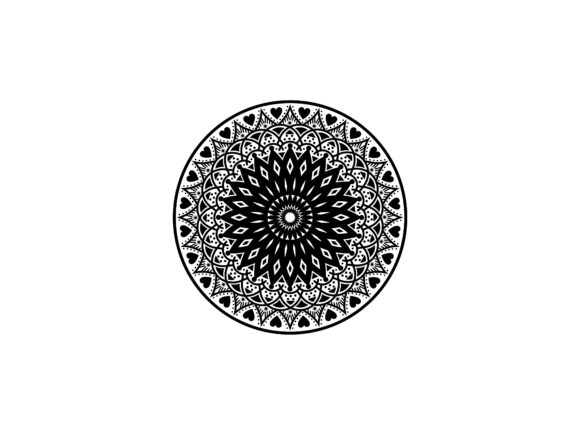
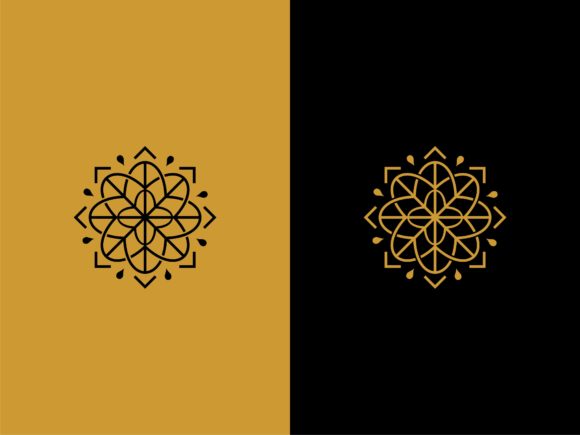
The core concept behind the Simple Flower Mandala Logo lies in its synthesis of two distinct artistic traditions. A mandala, derived from Sanskrit meaning "circle," traditionally represents wholeness, unity, and the cosmos. When paired with floral motifs, the design shifts towards themes of nature, beauty, and renewal. The "simple" designation indicates that while the pattern retains the rotational symmetry typical of mandalas, it avoids excessive clutter, ensuring legibility at various scales.
This specific design package is structured to provide maximum utility across different media. The inclusion of multiple file formats—EPS, PNG, SVG, and high-resolution 300 DPI images—addresses the technical requirements of modern digital and print workflows. The EPS format serves as the standard for vector graphics, allowing for infinite scaling without loss of quality, which is vital for large-format printing like banners or vehicle wraps. Conversely, the PNG files with transparent backgrounds are optimized for immediate use on websites, social media profiles, and digital marketing materials where background integration is necessary. The SVG format further enhances web performance by providing lightweight, code-based graphics that render sharply on any screen resolution.
Strategic Applications and Industry Fit
When evaluating whether this logo aligns with your goals, it is helpful to consider the industries where this imagery resonates most strongly. The combination of floral and geometric elements creates a sense of harmony and calm, making it an ideal fit for sectors focused on wellness, personal care, and creative services.
- Wellness and Spa Services: Businesses offering massage therapy, yoga instruction, or holistic healing often require branding that suggests relaxation and inner peace. The meditative qualities of the mandala structure reinforce these values effectively.
- Beauty and Cosmetics: Brands specializing in organic skincare, hair salons, or boutique beauty shops frequently utilize floral motifs to emphasize natural ingredients and feminine aesthetics. The delicate lines of the design support a premium, artisanal feel.
- Creative and Cultural Enterprises: Given the keywords associated with this design, such as Islamic, Arabic, Indian, Chinese, and Ottoman influences, it is particularly suitable for businesses celebrating cultural heritage or those offering ethnic-inspired products like textiles, jewelry, or art supplies.
- Henna and Tattoo Studios: The intricate, circular patterns mirror the temporary body art styles found in henna designs, making this a relevant choice for artists in this niche.
- Event Planning and Stationery: The ornamental nature of the logo makes it a strong candidate for wedding invitations, event cards, and ceremonial decorations where a touch of vintage or bohemian style is desired.
Benefits of Vector-Based Floral Designs
One of the primary advantages of utilizing a vector-based Simple Flower Mandala Logo is scalability. Unlike raster images that become pixelated when enlarged, vector files (EPS and SVG) maintain crisp edges regardless of size. This ensures that a business card looks as sharp as a billboard. Furthermore, the 300 DPI resolution of the provided raster assets guarantees high-quality output for physical prints, eliminating the graininess often seen in low-quality stock graphics.
The transparent background feature included in the PNG set offers significant practical benefits. It allows the logo to be placed over any color or image without the need for manual editing to remove white boxes. This flexibility is essential for maintaining brand consistency across diverse platforms, from dark-themed mobile apps to light-colored printed brochures.
Tradeoffs and Considerations
While the design offers numerous strengths, potential users must weigh certain tradeoffs. The complexity inherent in mandala patterns can sometimes pose challenges for small-scale applications. If the logo is scaled down too significantly, such as on a favicon or a small mobile app icon, the fine details of the flower and mandala elements may merge, reducing clarity. In such cases, a simplified version of the icon might be required.
Another consideration is the uniqueness of the design. Because floral mandalas are a common motif in graphic design, there is a risk that the logo may appear generic if not customized. Users relying solely on a pre-made template should consider adding unique typography or altering specific color palettes to differentiate their brand from competitors using similar assets. Additionally, while the design evokes a sense of tradition and spirituality, it may not align with brands aiming for a futuristic, industrial, or minimalist aesthetic. The ornamental nature of the logo inherently communicates a more classic or bohemian vibe rather than a starkly modern one.
Situations Warranting Alternatives
There are scenarios where a Simple Flower Mandala Logo may not be the optimal choice. For technology companies, financial institutions, or logistics firms, the organic and decorative nature of the design might undermine perceptions of efficiency, precision, and stability. These industries typically benefit from cleaner, more abstract geometric shapes or typographic logos that convey strength and reliability.
Furthermore, if a brand's target audience is strictly male-dominated or prefers a rugged, utilitarian aesthetic, the delicate and feminine connotations of floral elements could create a disconnect. In these instances, exploring alternative symbols that reflect the brand's core values without relying on traditional botanical imagery would be more prudent.
Practical Decision-Making Insights
To determine if this asset aligns with your needs, start by defining the emotional response you want your brand to evoke. Do you want to communicate tranquility, growth, and connection? If so, the mandala and flower combination is highly effective. Next, assess your usage requirements. If you plan to use the logo extensively across print media, packaging, and large signage, the availability of high-resolution vector files is a critical factor that this package satisfies.
It is also important to evaluate the versatility of the color scheme. While the provided files likely include standard black and white versions, consider how the colors will translate to your specific industry standards. If you intend to use the logo in single-color applications, such as embossing or engraving, ensure that the line weight is sufficient to hold up under those constraints.
Ultimately, the decision to adopt a Simple Flower Mandala Logo should be driven by the alignment between the visual language of the design and the narrative of your business. By leveraging the high-quality formats provided (EPS, PNG, SVG) and understanding the contexts in which this emblem thrives, you can make an informed choice that supports long-term brand recognition. Whether used for a boutique spa, a cultural shop, or a personal creative portfolio, this design element offers a robust foundation for building a visually cohesive identity.