Unlocking the Versatility of Flower Patterns 1 for Modern Design Projects
In the ever-evolving landscape of digital and print media, visual assets serve as the cornerstone of effective communication. Among the myriad of graphic elements available to creators, floral motifs have maintained a timeless appeal that transcends seasonal trends and cultural shifts. Flower Patterns 1 stands out as a premier collection designed to meet the rigorous demands of contemporary design workflows. This specific asset pack is not merely a collection of images; it is a comprehensive toolkit engineered to facilitate high-quality output across diverse mediums.
The inclusion of multiple file formats—specifically EPS, PNG, and SVG—within a single package addresses the fragmented nature of modern design requirements. Whether a professional is preparing a textile print run, a hobbyist is creating a scrapbook layout, or an educator is developing instructional materials, the ability to scale graphics without losing fidelity is paramount. With a resolution set at 300 dpi and transparent backgrounds, this collection ensures that every element integrates seamlessly into any project background, illustration, or nature-themed composition.
Technical Specifications and Format Utility
The utility of a design asset is often determined by its technical specifications before its aesthetic qualities are even considered. The Flower Patterns 1 zip file is structured to eliminate common bottlenecks in the creative process. By providing vector-based files alongside raster options, users gain the flexibility to manipulate designs from the macro level of large-scale billboards down to the micro details of jewelry engraving.
- EPS Files: These Encapsulated PostScript files are essential for professionals working in Adobe Illustrator or CorelDRAW. They allow for infinite scaling without pixelation, making them ideal for logo design, large-format printing, and intricate cut-file projects like vinyl decals.
- PNG Files: With their support for transparency and a resolution of 300 dpi, these raster images are perfect for web design, social media graphics, and quick mockups. The transparent background feature means designers can drop these floral elements directly onto colored fabrics or textured surfaces without worrying about white borders.
- SVG Files: Scalable Vector Graphics are the backbone of responsive web design. Using Flower Patterns 1 in SVG format allows for crisp rendering on any screen size, from mobile phones to 4K monitors, while keeping file sizes manageable for faster page load times.
This multi-format approach supports a wide array of industries, ensuring that the transition from concept to final product is smooth and efficient. The 300 dpi standard guarantees that when printed, the lines remain sharp, the colors vibrant, and the details of the botanical sketches clear.
Aesthetic Characteristics and Design Philosophy
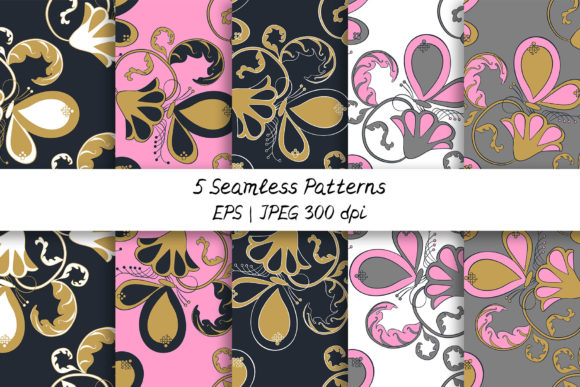
While technical robustness is crucial, the artistic merit of Flower Patterns 1 is what drives its adoption across various creative sectors. The collection embodies a blend of classic elegance and modern minimalism. The designs range from simple line art to more complex, colorful compositions, offering a spectrum of styles to suit different brand identities and project moods.
The floral theme is executed with a focus on nature and botanical accuracy, yet it retains an abstract quality that prevents it from feeling dated. Elements such as leaves, roses, and generic blossoms are rendered with attention to contour and outline, creating a sense of depth and movement. This balance between realism and ornament makes the patterns versatile enough for vintage style invitations as well as romantic wedding themes.
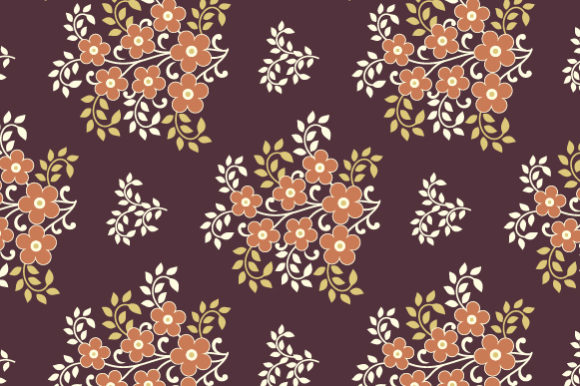
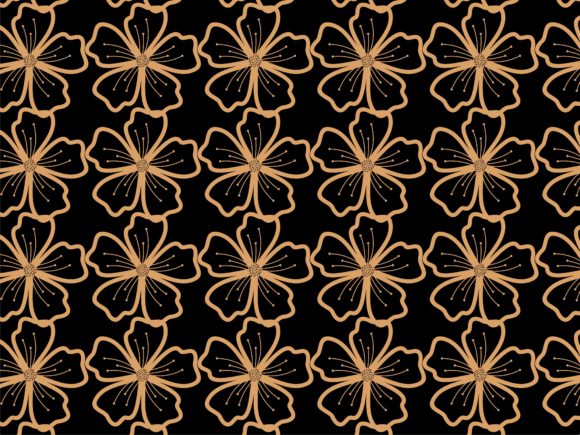
The color palette within the patterns is equally adaptable. Users can utilize the black and white line drawings for monochromatic designs, which are currently trending in minimalist fashion and interior decor. Alternatively, the colorful variations provide the necessary pop for summer collections, children's products, and fashion textiles. The inclusion of sketch-like textures adds a human touch, distinguishing these assets from sterile, machine-generated graphics.
Practical Applications Across Industries
The versatility of Flower Patterns 1 extends far beyond simple decoration. Its application spans numerous industries, each leveraging the unique properties of the patterns to enhance their specific offerings.
Textile and Fashion Design
In the realm of fabric and textile production, the ability to create a seamless repeat is critical. The patterns in this collection are optimized for tiling, allowing designers to generate continuous prints for clothing, scarves, and upholstery. The repeat functionality ensures that when a pattern is tiled, no visible seams disrupt the flow of the design. This is particularly valuable for print on demand services where efficiency and quality control are paramount.
Digital and Print Media
For graphic designers working on marketing materials, the decoration provided by these floral elements can elevate a plain flyer or brochure. The shape and element variety allow for the creation of borders, watermarks, and background textures. In wallpaper design, the elegant and decorative nature of the patterns helps transform living spaces, adding a touch of spring or garden vibes to digital interfaces or physical walls.
Educational and Research Contexts
Educators and researchers in fields related to botany or art history can utilize these assets for presentations and publications. The high-resolution illustration capabilities ensure that diagrams of plant structures are both accurate and visually engaging. For students learning about art and design, these patterns serve as excellent examples of how style and technique interact to create cohesive visual narratives.
Hobbyist and DIY Projects
Hobbyists engaged in crafts such as scrapbooking, card making, and home decor will find immense value in the simple yet beautiful designs. The availability of transparent backgrounds allows for easy layering over various paper textures and photo backgrounds. Whether creating a romantic invitation for a special occasion or a summer themed bulletin board, these assets provide the finishing touches that make a project feel professional.
Strategic Considerations for Implementation
To maximize the potential of Flower Patterns 1, it is important to understand the workflow implications of choosing one format over another. While the vector formats (EPS and SVG) offer the most freedom, they require software capable of handling paths and layers. Conversely, PNG files are universally compatible but lack the scalability of vectors. A strategic approach involves maintaining a master library of the original vector files while generating specific resolutions of PNGs for immediate use in web or social media contexts.
Furthermore, the concept of repeatability must be managed carefully. When using these patterns for background textures, the density of the flora should be adjusted based on the readability of the text overlay. A busy pattern might work well for a decorative border but could hinder the legibility of a call-to-action button if used as a primary background. Testing the contrast between the black outlines or colorful fills and the intended content is a best practice.
Another consideration is the thematic consistency. Mixing vintage sketches with modern abstract shapes can create a jarring effect unless done with intentional eclecticism. It is advisable to select a subset of patterns from Flower Patterns 1 that share similar line weights and stylistic approaches to maintain a cohesive brand identity or project theme.
The Evolution of Floral Design Trends
Floral design has undergone significant evolution over the decades. What was once strictly associated with traditional garden aesthetics has morphed into a dynamic element of abstract art and graphic design. Flower Patterns 1 captures this evolution by offering designs that honor the natural beauty of plants while embracing contemporary artistic liberties.
The current trend towards sustainability and organic living has further propelled the popularity of botanical imagery. Consumers are increasingly drawn to designs that evoke a connection to nature. By utilizing these patterns, brands can align themselves with values of growth, renewal, and natural beauty. The line art style, in particular, resonates with the modern preference for clean, uncluttered visuals that convey sophistication without excess.
Moreover, the adaptability of these patterns to seasonal themes ensures their longevity. A spring collection might feature budding flowers and fresh green leaves, while a summer campaign could utilize bold, colorful blooms. This flexibility makes Flower Patterns 1 a valuable long-term investment for businesses looking to refresh their visual identity regularly without compromising on quality.
Conclusion: Integrating Artistry with Functionality
The intersection of high-quality technical specs and artistic expression defines the value proposition of Flower Patterns 1. By providing a diverse range of formats including eps, png, and svg, coupled with a high resolution of 300 dpi, this collection empowers users to execute their vision with precision. Whether the goal is to create a seamless textile print, a delicate invitation, or a striking wallpaper, the assets within this pack offer the necessary tools to achieve professional results.
The emphasis on transparency, vector scalability, and elegant styling ensures that these patterns are not just decorative add-ons but integral components of a broader design strategy. As the digital and physical worlds continue to converge, the need for versatile, high-fidelity graphic resources becomes ever more critical. Flower Patterns 1 stands ready to meet this demand, bridging the gap between creative inspiration and practical execution.
Ultimately, the success of any design project lies in the thoughtful selection and application of its elements. By understanding the unique characteristics of these floral motifs—from their outline definitions to their colorful potential—creators can unlock new levels of creativity. The result is a body of work that is not only visually stunning but also technically sound, capable of serving the needs of professionals, educators, and hobbyists alike.