Watercolor Flowers Seamless Pattern Evaluation
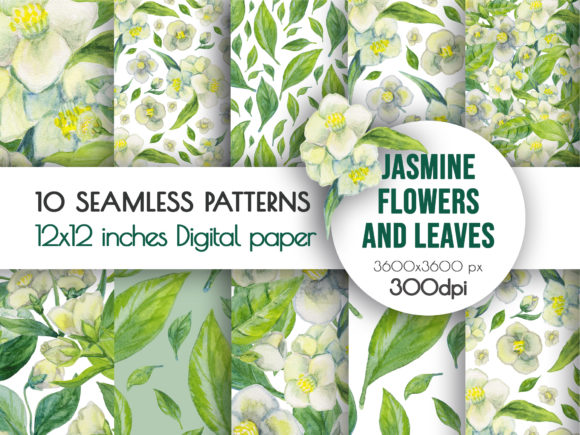
In the realm of digital design, finding high-quality textures that convey a specific mood without overwhelming the viewer is a common challenge. A Watercolor Flowers Seamless Pattern offers a solution that blends artistic softness with technical utility. Specifically, designs featuring Jasmine flowers and leaves provide a distinct aesthetic characterized by white blooms and green foliage. This article evaluates the utility of such a digital asset, particularly a pack containing ten 12×12 inch JPG files at 300 dpi resolution.
Before making a selection, it is essential to understand what this specific type of digital paper entails. These are not merely static images; they are vector-like or raster-based patterns designed to repeat infinitely without visible seams. The particular focus on Jasmine—a flower often associated with elegance and delicacy—combined with hand-painted watercolor leaves, creates a visual narrative that is organic rather than rigid. When designers scan illustrations painted on actual watercolor paper, they capture unique texture variations, such as pigment granulation and subtle color bleeding, which are difficult to replicate with purely algorithmic generation.
Understanding the Product Specifications
The core value of this digital paper pack lies in its technical specifications. The product consists of 10 seamless designs, each saved as a high-resolution JPG file. The dimensions are standardized at 12×12 inches, with a resolution of 300 dpi (dots per inch). In practical terms, this means the pixel dimensions are 3600×3600 pixels. This level of detail is critical for anyone intending to use the pattern for print media.
For users evaluating these assets, the distinction between screen-only graphics and print-ready files is paramount. A 300 dpi resolution ensures that when the pattern is printed on cardstock, fabric, or wrapping paper, the image remains crisp and free from pixelation. The format being JPG is widely compatible with most design software, including Adobe Photoshop, Illustrator, Canva, and Affinity Designer, ensuring accessibility for a broad range of skill levels.
Primary Use Cases and Applications
Designers and crafters typically seek out floral seamless patterns for projects requiring a background or a textured surface. The versatility of the Jasmine and leaf motif makes it suitable for several specific applications:
- Stationery Design: The delicate nature of white Jasmine flowers pairs exceptionally well with wedding invitations, greeting cards, and thank-you notes. The pattern can serve as a subtle backdrop that allows text to remain legible while adding an elegant touch.
- Scrapbooking and Layouts: Digital scrapbookers often look for "digital papers" to layer over photographs. A watercolor pattern provides a softer alternative to solid colors, helping to unify disparate photos within a layout.
- Textile and Fabric Printing: Because the pattern is seamless, it is ideal for creating repeating prints on fabrics. Whether for clothing, home decor, or quilting, the 3600×3600 px size ensures the pattern repeats smoothly across large surfaces.
- Digital Web Backgrounds: While the primary strength is print, these images also function effectively as blog backgrounds or website headers where a gentle, organic feel is desired.
- Gift Wrapping: Creating custom wrapping paper is a popular DIY project. The seamless nature of the file allows users to tile the image to cover any size of box without awkward edges.
Evaluating the Benefits of Hand-Painted Origins
A significant differentiator for this product is the statement that all illustrations were hand-painted on watercolor paper before being scanned. This process introduces a level of authenticity that mass-produced clip art often lacks. The resulting files have been cleaned to ensure clarity, but the underlying character of the brushstrokes remains.
The benefit of this approach is the creation of a "clear end product" that retains artistic imperfections. In design, perfect symmetry can sometimes appear sterile. The slight variations in the green leaves and the white petals found in watercolor techniques add depth and a human element to the design. For projects aiming for a boutique, artisanal, or romantic aesthetic, this origin story translates directly into the final visual output.
Considerations and Tradeoffs
While the product offers high quality, potential buyers must consider certain limitations inherent to the format and the medium.
File Format Limitations: The product is provided as JPG files. Unlike SVG or EPS formats, JPGs are raster images. This means they cannot be scaled up indefinitely without losing quality. If a user needs to resize a single flower motif significantly larger than the original canvas, they may encounter blurriness. Additionally, JPGs do not support transparency. Users will need to manually remove the white background if they wish to isolate individual flowers for overlaying on other elements.
Color Consistency: Watercolor paintings are subject to lighting conditions during scanning and monitor calibration differences during viewing. While the files are described as "cleaned," the exact shade of green or white may vary slightly depending on the user's display settings. For professional color-critical printing, users should always perform a test print to verify color accuracy against their physical materials.
Copyright and Usage: As with any digital download, it is crucial to review the license agreement. Most digital paper packs allow for personal and commercial use, but restrictions may apply regarding reselling the raw files as standalone products. Users should verify if the license permits modification and redistribution.
Situational Fit: When to Choose This Pattern
This specific Watercolor Flowers Seamless Pattern is a strong fit for projects requiring a cohesive, vintage-inspired, or natural aesthetic. It is particularly advantageous for:
- Wedding and Event Branding: Where a unified look across invitations, signage, and packaging is required.
- DIY Craft Projects: For individuals who want to create custom gifts using Cricut machines, printers, or manual cutting tools.
- Content Creation: Bloggers and social media influencers looking to enhance the visual appeal of their posts with non-distracting, high-quality backgrounds.
The inclusion of the pattern in educational contexts, such as the "Make Your Own Glitter Epoxy Pens" class mentioned in the product details, suggests its utility in crafting tutorials. If a user is following similar instructional content, having access to matching digital papers can streamline the workflow.
Alternatives and Decision-Making Insights
Is this the right choice for every scenario? Not necessarily. Users should consider alternatives if their specific needs differ from the strengths of this product.
If the goal is to create a modern, geometric, or corporate design, the organic flow of watercolor Jasmine leaves might clash with the intended brand identity. In such cases, vector-based geometric patterns or solid color palettes would be more appropriate.
Furthermore, if the project requires isolating individual flowers to place them randomly across a page without the background grid, a PNG format with transparent backgrounds or an SVG vector set would be superior. The current JPG format requires extra editing steps to achieve isolation.
Finally, budget-conscious buyers should weigh the cost against the quantity. A pack of 10 designs offers variety, but if a user only needs one specific texture, purchasing a single file (if available) or finding a free alternative might be more economical. However, for professionals needing a comprehensive library of seasonal or thematic backgrounds, the bulk value of a 10-file pack often justifies the investment.
Conclusion
The decision to utilize a Watercolor Flowers Seamless Pattern featuring Jasmine and leaves depends largely on the desired emotional tone of the project. By offering high-resolution, hand-painted textures, this digital paper pack bridges the gap between traditional art and modern digital production. It excels in applications ranging from wedding stationery to fabric printing, provided the user understands the limitations of raster formats.
For those seeking to add a touch of elegance and organic beauty to their work, this resource represents a practical and effective tool. By carefully considering the technical requirements and the aesthetic goals of the project, designers can determine if this specific collection aligns with their creative vision.