Blue Wood Texture Background: A Practical Guide to Using Natural Timber for High-Impact Design
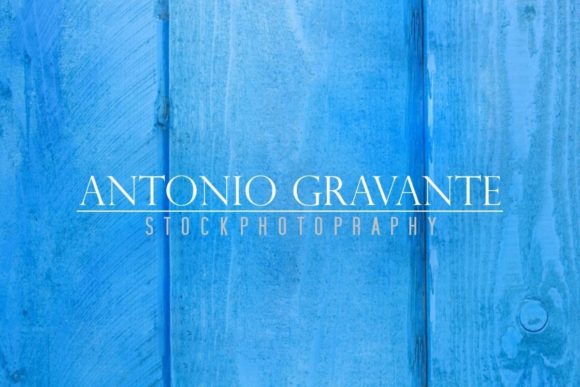
When you are looking for a visual element that bridges the gap between organic warmth and modern professionalism, a Blue Wood Texture Background offers a unique solution. It is not merely a colored image; it represents a natural wooden texture surface that has been treated or stained to evoke a specific mood. This high-quality asset serves as an ideal foundation for banner backgrounds, wall art, decorative designs, frames, and countless other creative projects. However, simply downloading a file labeled "blue wood" does not guarantee a successful result. Many creators make the mistake of assuming all textures are created equal, leading to designs that look artificial or fail to load efficiently.
The appeal of this specific aesthetic lies in its ability to provide depth without overwhelming the viewer. Unlike solid colors or generic gradients, a natural wooden texture adds tactile realism to digital spaces. When used correctly, it can elevate a brand's identity, making a website feel more grounded or a social media post feel more artisanal. The key to success, however, lies in understanding the technical specifications and the artistic implications of choosing a blue-toned timber over a traditional brown one.
Navigating Common Pitfalls in Texture Selection
One of the most frequent errors designers and business owners make is prioritizing color over grain. In the rush to find a "cool" blue background, many overlook the integrity of the wood grain itself. If the underlying structure of the wood looks fake, plastic-like, or overly smoothed, the entire design suffers. A poor-quality texture can make a professional logo look cheap or a marketing campaign appear untrustworthy. The human eye is surprisingly adept at detecting unnatural patterns, and when a user spots a low-resolution or poorly rendered wood surface, their confidence in the content behind it drops immediately.
Another significant misunderstanding involves the resolution and intended use of the file. You might encounter a beautiful blue wood image online that looks perfect on your screen but turns out to be pixelated when printed. This is often due to a lack of attention to DPI (dots per inch). For digital banners, standard web resolution might suffice, but if you plan to print this as wall art, a large-format poster, or a physical frame insert, you need a much higher standard. Failing to check the file specifications before purchasing or downloading can lead to wasted money and frustrated clients who receive blurry prints.
Color temperature is another subtle but critical factor. Blue tones can range from icy, cold blues to warm, navy indigos. A mismatch here can clash with your brand palette or the lighting of your physical space. For instance, using a stark, icy blue wood texture for a cozy coffee shop menu might create a psychological disconnect, whereas a deep, rich blue could convey stability and luxury for a corporate presentation. Ignoring the emotional weight of the specific blue hue can undermine the communication goal of your design.
Evaluating Quality Before You Commit
To avoid these pitfalls, you must adopt a rigorous approach to evaluating any potential asset. Before integrating a Blue Wood Texture Background into your project, take a moment to inspect the details closely. Look for the continuity of the grain. Does the pattern repeat unnaturally? Are there obvious seams where two images have been stitched together? High-quality textures should flow seamlessly, allowing you to tile them or zoom in without revealing the boundaries of the source material.
Always verify the file format and resolution. Ideally, you should seek out files provided in Jpeg 300dpi or higher vector formats if available. The 300dpi standard ensures that the intricate details of the wood pores and knots remain sharp even when the image is enlarged. If a supplier only offers a low-resolution version, do not attempt to upscale it yourself using AI tools or software filters. These methods often introduce artifacts, blurring, or strange halos around the edges that destroy the natural look of the wood. It is far better to pay a premium for a high-quality source than to waste hours trying to fix a broken image.
Consider the context of your usage. Are you placing this texture behind heavy text? If so, ensure the contrast is sufficient. A dark blue wood background with light text works well, but a light blue wash with white text might become illegible. Conversely, if you are using the texture as a standalone piece of wall art, the focus should be entirely on the beauty of the grain. In this case, ensure the color saturation is balanced so the blue enhances the wood rather than masking it completely.
Practical Applications and Strategic Choices
Once you have secured a high-quality asset, the possibilities for application are vast. For entrepreneurs and marketers, this texture is excellent for creating cohesive branding materials. Imagine a business card made with a blue wood texture background; it instantly differentiates your company from the sea of white or gray cards on a table. Similarly, for bloggers and educators, using this as a header image for articles about nature, sustainability, or craftsmanship can reinforce the message visually.
For hobbyists and interior design enthusiasts, the utility extends to physical decor. A high-resolution print of this texture can be mounted in a simple frame to create a striking piece of wall art. Because the texture mimics natural timber, it pairs beautifully with both modern minimalist furniture and rustic industrial styles. The blue tone acts as a calming accent that breaks up the monotony of neutral walls without being as aggressive as a bright primary color.
- Check the Lighting: Ensure the virtual lighting in the texture matches the environment where it will be displayed. A texture with strong shadows might look odd in a flat digital layout but work perfectly on a textured wall.
- Test Print Samples: Before ordering a bulk run of printed materials, always order a single test sample. This allows you to see how the ink interacts with the paper and whether the blue tones render accurately.
- Combine with Complementary Colors: Use gold, silver, or crisp white typography to pop against the blue wood. Avoid clashing colors like bright red or neon green unless you have a very specific, bold artistic vision.
Making the right choice requires patience and attention to detail. By focusing on the quality of the grain, the resolution of the file, and the emotional resonance of the color, you can transform a simple background into a powerful design element. Whether you are building a website, designing a brochure, or decorating a home, a well-chosen Blue Wood Texture Background adds a layer of sophistication and authenticity that generic graphics simply cannot match. Take the time to evaluate your options carefully, and you will find that the investment in a high-quality image pays dividends in the final presentation of your work.