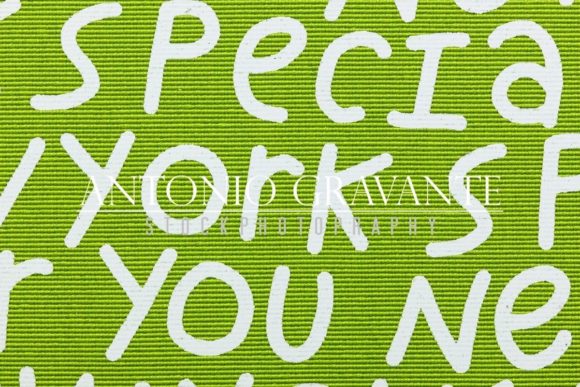
Green Text Background: Synthetic Leather Texture for Premium Design
In the competitive landscape of modern graphic design, finding a visual element that seamlessly blends tactile realism with bold typography is essential for standing out. The Green Text Background, Abstract Texture of Synthetic Leather offers a sophisticated solution that elevates any project from ordinary to extraordinary. This captivating image serves as more than just a decorative backdrop; it acts as a powerful tool for visual communication, providing depth and character that flat colors simply cannot achieve.
When designers integrate an Abstract Texture of Synthetic Leather with a green text background into their workflow, they immediately introduce a sense of luxury and durability. The interplay between the organic imperfections of the synthetic material and the crisp clarity of the text creates a dynamic visual hierarchy. This combination is particularly effective for brands aiming to convey innovation, resilience, or high-end craftsmanship. By leveraging this specific aesthetic, creators can craft narratives that resonate deeply with audiences who appreciate attention to detail and premium quality.
Elevating Brand Identity Through Tactile Aesthetics
Branding is no longer just about logos and color palettes; it is about creating an immersive experience. The unique texture of synthetic leather provides a rich, tactile feel that translates beautifully into digital formats, even without physical touch. When paired with a vibrant green hue, the design gains energy and freshness, making it ideal for tech startups, eco-conscious companies, or lifestyle brands looking to break away from sterile corporate templates.
Incorporating this asset into your brand identity system ensures consistency across various touchpoints. Whether used in a logo design overlay or as a primary background for marketing collateral, the texture adds a layer of sophistication. It signals to the consumer that the brand values quality and is willing to invest in superior visual assets. This perception is crucial for building trust and loyalty in a crowded marketplace.
Practical Applications Across Creative Industries
The versatility of this design element allows it to be adapted for a wide range of professional needs. Its high resolution (Jpeg 300dpi) ensures it remains sharp whether viewed on a large billboard or a small mobile screen. Here are several key areas where this texture excels:
- Social Media Graphics: Stand out in crowded feeds with posts that offer a premium look, driving higher engagement rates.
- Packaging Design: Add a luxurious finish to product boxes or labels, enhancing the unboxing experience.
- Web and UI Design: Use as section backgrounds to create depth and guide user attention without overwhelming the interface.
- Editorial Layouts: Enhance magazine spreads or brochures with a modern, textured aesthetic that complements typography.
- Advertising Campaigns: Create impactful billboards and print ads that demand attention through contrast and texture.
Optimizing Visual Communication and Readability
While the texture is visually striking, the true power lies in its ability to support, rather than distract from, the message. Effective typography placement is critical when working with complex backgrounds like synthetic leather. Designers must carefully select font weights and colors to ensure legibility against the varying shades of the green tones.
The concept of visual hierarchy becomes even more important here. By using the texture to frame the content, you can direct the viewer's eye naturally toward the most important information. For instance, placing white or metallic text over the darker recesses of the leather texture can create a stunning contrast that emphasizes key headlines. Conversely, using lighter text on the raised portions can add a subtle, embossed effect that feels integrated and organic.
Strategic Considerations for Implementation
To get the most out of this creative asset, consider the following factors during your design workflow:
- Consistency: Ensure the texture aligns with your existing color palette and overall brand voice. If your brand is minimalist, use the texture sparingly as an accent rather than a dominant feature.
- Scalability: Because the file is available in 300dpi, it is perfect for both digital screens and high-quality print design. Always test how the texture looks at different sizes to avoid pixelation or loss of detail.
- Audience Expectations: Understand what your target demographic associates with synthetic leather. Is it seen as futuristic, rugged, or elegant? Align the texture usage with these perceptions to maximize impact.
- Compatibility: Check how the green tones interact with other elements in your layout. Ensure there is enough negative space to prevent the design from feeling cluttered.
Ultimately, the choice to use an Abstract Texture of Synthetic Leather with a green text background reflects a commitment to excellence. It demonstrates that the creator understands the nuances of modern aesthetics and knows how to blend form with function. In an era where users scroll past generic images instantly, a design that offers genuine texture and thoughtful composition captures attention and holds it.
By integrating such high-quality creative assets into your projects, you not only improve the aesthetic appeal but also enhance the overall effectiveness of your communication. Whether you are designing a new website, launching a product, or refreshing your marketing materials, this versatile resource provides the perfect foundation for building a memorable and professional presence. Thoughtful design choices like these are what separate good work from great work, turning simple visuals into compelling stories that resonate with audiences worldwide.