Green Shades Wave Pattern for Background
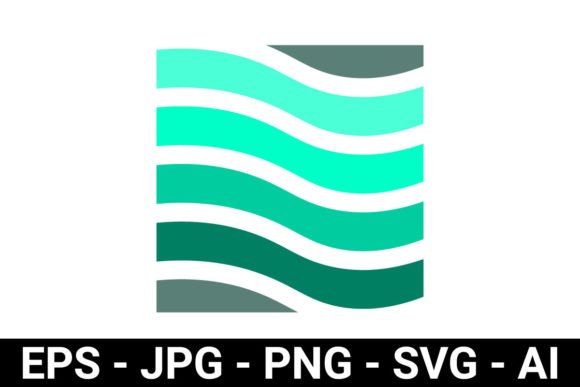
If you have ever scrolled through design galleries looking for that specific modern yet elegant touch, you likely stumbled upon the green shades wave pattern for background. It is more than just a pretty image; it is a versatile asset that bridges the gap between organic flow and structured geometry. This style combines the calming properties of various green hues with dynamic, arched lines that create a sense of movement without overwhelming the viewer.
The beauty of this trend lies in its adaptability. Whether you are designing a digital banner for a tech startup or creating physical packaging for an eco-friendly brand, the ability to bend and curve elements into a seamless illustration offers endless possibilities. The collection typically comes in a convenient ZIP folder containing AI, EPS, SVG, JPG, and PNG formats, ensuring that whether you need high-resolution print files or web-optimized vectors, you are covered.
Why This Design Trend Resonates Now
In a world saturated with flat colors and rigid grids, the wavy, curly, and geometrical nature of these patterns provides a refreshing alternative. The human eye is naturally drawn to curves, which suggests fluidity and growth. When combined with green shades, the effect is amplified, evoking feelings of nature, freshness, and stability. This makes the green shades wave pattern for background particularly effective for brands that want to communicate innovation while maintaining a grounded, trustworthy identity.
Unlike traditional striped or textile designs that can feel dated if not executed perfectly, the abstract and flowing lines of this pattern allow for a unique interpretation every time they are used. The isolated nature of the elements means you can layer them over photos, solid colors, or other graphics to create depth. It is a trendy choice because it avoids the stiffness of corporate minimalism while steering clear of the chaos of overly complex bohemian styles.
Real-World Applications Across Industries
The utility of this design element extends far beyond simple decoration. Let's look at how different professionals utilize the green shades wave pattern for background to solve specific problems and enhance their projects.
Digital Marketing and Web Design
For web developers and UI/UX designers, the SVG and PNG versions of this pattern are invaluable. Imagine a landing page for a sustainable fashion brand. Instead of a plain white background, a subtle arched wave pattern in varying greens creates a textured backdrop that guides the user's eye toward the call-to-action buttons. Because the file is vector-based, it scales perfectly from mobile screens to large desktop monitors without losing quality. The colorful aspect allows designers to match the pattern exactly to their brand palette, ensuring a cohesive look.
When creating social media banners or story highlights, the seamless nature of the pattern ensures that the design repeats without visible breaks. This is crucial for maintaining a professional appearance across different platforms. The creative arrangement of lines adds a layer of sophistication that static images often lack, making the content stand out in a crowded feed.
Print Media and Packaging
Physical products require a different approach. The AI and EPS files included in the ZIP folder are perfect for high-quality printing. Consider a cosmetic company launching a new line of organic skincare. Using the green shades wave pattern for background on the box cover immediately signals "natural" and "pure." The decorative curves can be embossed or foil-stamped to add a tactile element that customers love to touch.
This pattern also works beautifully for paper goods like brochures, business cards, and event invitations. A wedding invitation suite featuring soft, elegant waves in sage and emerald tones sets a romantic tone before the guest even opens the card. The geometric precision of the lines ensures that the design remains sharp even when printed on smaller surfaces, avoiding the blurriness that can plague raster images.
Interior Design and Textiles
While often thought of as digital assets, these patterns translate exceptionally well to the physical world. Interior designers use the concept of striped and wavy motifs to select wallpapers, fabrics, and rugs. A room decorated with furniture upholstered in a fabric featuring this pattern feels modern and inviting. The flow of the design helps to visually expand a space, making small rooms feel larger and more open.
For DIY enthusiasts, the graphic nature of the design allows for easy customization. You can download the illustration and use it to create custom stencils for painting accent walls or decorating notebooks. The versatility of the shape allows it to fit into both contemporary and slightly retro-inspired decor themes.
Navigating Design Choices and Limitations
While the green shades wave pattern for background is incredibly powerful, there are practical considerations to keep in mind before applying it to your project. The most important factor is contrast. Because the pattern itself contains multiple shades of green, placing text or critical information directly on top of it can sometimes reduce readability. To mitigate this, designers often place a solid color overlay or a semi-transparent shape behind the text to ensure the message is clear.
Another consideration is the density of the line work. Some versions of the pattern are very intricate, featuring tight curls and complex intersections. While these look stunning as a full-page backdrop, they might be too busy for a logo or a small icon. In such cases, choosing a version with wider spacing or fewer curves is advisable. The goal is to complement the content, not compete with it.
Color harmony is also key. Although the pattern is described as colorful, the specific shade of green matters immensely. A neon green wave might clash with a pastel pink product, whereas a muted olive wave would harmonize perfectly. When using the ZIP folder assets, take time to preview the different variations against your intended background color to see how the element interacts with your overall composition.
Maximizing the Potential of Your Assets
Once you have acquired the green shades wave pattern for background, the real work begins in how you integrate it. Don't just use it as a static fill. Try manipulating the opacity to create a watermark effect. Experiment with blending modes in your design software to make the wave interact with underlying images in unexpected ways. For instance, setting the pattern to "Multiply" can darken an image beneath it, adding mood and depth.
The vector format (AI, EPS, SVG) is your best friend here. It allows you to resize the curved lines infinitely. If you decide to zoom in on a specific section of the pattern to create a close-up detail shot for a marketing campaign, the edges will remain crisp. This flexibility is something raster formats like JPG cannot offer, making the investment in a high-quality vector pack worthwhile.
Ultimately, the green shades wave pattern for background is about finding the right balance between structure and freedom. It provides a framework that is reliable and repeatable but allows for enough artistic expression to feel unique. Whether you are a seasoned graphic designer looking for a fresh decoration for a client project or a small business owner trying to elevate your brand's visual identity, this pattern offers a practical solution that delivers results. By understanding where it fits best and how to handle its nuances, you can transform a simple background into a compelling narrative tool.
As you explore the options within your ZIP folder, remember that the best designs often come from experimentation. Mix the geometric aspects with organic photography, or pair the modern lines with classic typography. The flow of the design invites creativity, encouraging you to push boundaries and create something that truly stands out. With the right application, this pattern becomes more than just a visual element; it becomes the foundation of a memorable aesthetic experience.