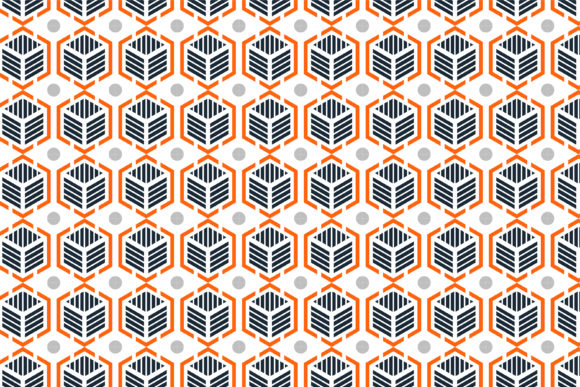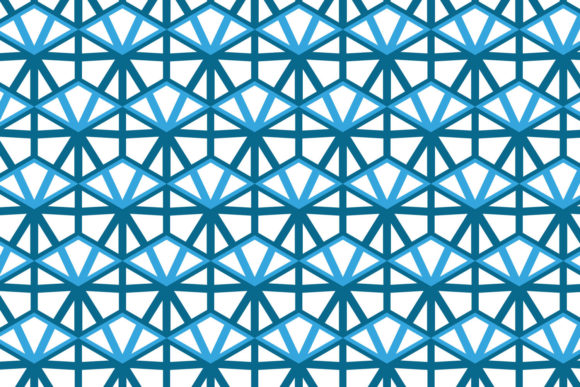
The Timeless Appeal of Colorful Stripes Pattern for Background in Modern Digital and Physical Spaces
In an era where digital interfaces compete fiercely for attention and physical environments strive to evoke emotion, designers and creators are constantly seeking visual elements that balance structure with vibrancy. One such element has transcended its status as a mere decorative afterthought to become a cornerstone of contemporary design: the colorful stripes pattern for background. This seemingly simple geometric arrangement of lines has evolved into a versatile asset capable of defining brand identity, enhancing user experience, and transforming mundane spaces into dynamic environments.
From the seamless vector files used in high-end web development to the tactile prints found in modern interior decor, the application of striped motifs is experiencing a resurgence. It is not merely about drawing lines on a page; it is about harnessing the psychological impact of rhythm, direction, and color theory to communicate a message without uttering a word.
Defining the Visual Language of Stripes
At its core, a striped design relies on repetition and variation. When we speak of a colorful stripes pattern for background, we are referring to a systematic arrangement of straight lines, diagonal strokes, or even organic curves that create a sense of movement and depth. These patterns are often described as endless, tileable, or seamless, allowing them to wrap around surfaces—whether that surface is a smartphone screen, a piece of fabric, or an entire wall.
The aesthetic power of this pattern lies in its duality. It is simultaneously simple and complex. On one hand, the basic geometry of parallel lines is elementary. On the other, the interplay of colors, stroke widths, and angles creates a rich tapestry of visual interest. Whether the lines are bold and contrasting or subtle and tonal, the result is a graphic element that commands focus without overwhelming the viewer.
Modern iterations of this classic motif have moved beyond traditional nautical or school-themed associations. Today, the artistic interpretation of stripes involves abstract geometries, gradient transitions between hues, and irregular spacing that mimics natural rhythms. This evolution has made the pattern highly relevant for professionals who need to convey innovation rather than tradition.
The Strategic Value in Business and Branding
For entrepreneurs and marketers, visual consistency is paramount. A colorful stripes pattern for background offers a unique opportunity to differentiate a brand in a crowded marketplace. Unlike solid colors that can feel flat or complex illustrations that might distract from the primary content, stripes provide a structured framework that guides the eye.
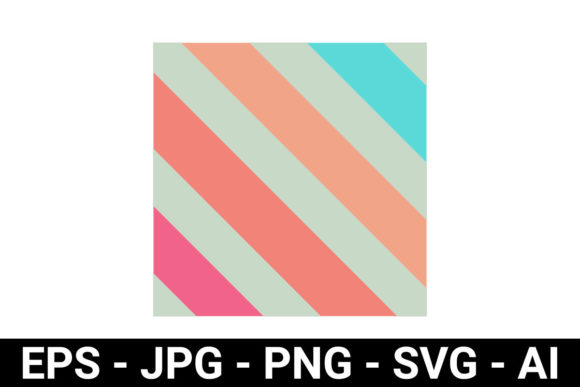
Consider the workflow of a freelance designer creating a portfolio website. By utilizing a diagonal stripe motif as a backdrop, they can create distinct sections for their projects without relying on heavy borders or excessive white space. The pattern acts as a unifying thread, connecting disparate pieces of work under a single stylistic umbrella. Furthermore, because these patterns are available in various formats—including AI, EPS, SVG, JPG, and PNG—they integrate seamlessly into diverse workflows.
- Brand Recognition: Consistent use of a specific stripe configuration can become a signature element, much like a logo.
- Visual Hierarchy: Diagonal lines naturally lead the eye across a page, making them excellent for guiding users toward call-to-action buttons.
- Scalability: Vector-based stripe designs ensure crisp reproduction at any size, from a business card to a billboard.
The versatility extends to packaging and product design as well. In the consumer goods market, a decorative striped wrapper can signal premium quality or playful energy depending on the color palette chosen. The ability to print these patterns on fabric, paper, or digital displays allows businesses to maintain a cohesive look across all touchpoints.
Adapting to Changing Creative Trends
The current landscape of design is characterized by a blend of minimalism and maximalism. While some trends favor stark, empty spaces, others embrace bold, chaotic energy. The colorful stripes pattern for background sits comfortably at the intersection of these movements. It provides the structure required for readability while offering the chromatic richness desired by modern audiences.
This adaptability is driven by changing consumer expectations. Users today are accustomed to dynamic interfaces. Static backgrounds can feel outdated quickly, whereas a well-executed striped pattern adds a layer of sophistication and intentionality. In the realm of web design, for instance, using a subtle, repeating geometric pattern can reduce the cognitive load on the brain by providing a predictable visual texture, allowing the content to stand out more clearly.
Moreover, the rise of remote work and digital collaboration has increased the demand for customizable templates. Professionals now require assets that are easy to modify yet difficult to replicate accidentally. A library containing seamless stripe vectors empowers teams to rapidly prototype ideas, test different color schemes, and finalize designs with speed and precision.
Practical Applications Across Industries
The utility of striped motifs extends far beyond graphic design software. In the world of architecture and interior design, the concept of the wall as a canvas has been reimagined. Architects and decorators utilize large-scale stripe patterns to alter the perception of space. Vertical stripes can make a room appear taller, while horizontal lines can widen a narrow hallway. When combined with vibrant colors, these patterns transform sterile offices and living rooms into stimulating environments.
In the fashion industry, the print remains a perennial favorite. However, the trend is shifting towards more abstract and artistic interpretations of the classic stripe. Designers are experimenting with non-uniform widths and unexpected color combinations to create fabrics that are both stylish and timeless. This shift reflects a broader desire for uniqueness in personal expression.
Even in the technology sector, striped patterns play a crucial role. User interface (UI) designers often employ subtle gradients and lines to separate data points or indicate scrolling areas. A geometric approach ensures that the interface remains clean and professional, adhering to accessibility standards while maintaining visual appeal.
The Future of Geometric Decoration
As we look toward the future, the relevance of the colorful stripes pattern for background shows no signs of waning. Instead, it is evolving through technological advancements. The integration of generative AI tools allows creators to produce infinite variations of stripe patterns instantly, tailored to specific brand guidelines or mood boards. This capability democratizes high-quality design, enabling small businesses and individual creators to access professional-grade assets previously reserved for large agencies.
Furthermore, the sustainability angle is becoming increasingly important. Digital-first design reduces waste, and when physical products are printed, the efficiency of vector-based patterns minimizes material usage. The element of the stripe, being easily scalable and reusable, aligns perfectly with the principles of sustainable design.
Ultimately, the enduring popularity of this pattern stems from its fundamental nature. It represents order amidst chaos, rhythm within silence, and color within monochrome. For the professional creator, understanding how to leverage the straight line and the strip is not just about aesthetics; it is about mastering a tool that communicates clarity, confidence, and creativity.
Whether you are designing a new website, wrapping a gift, or redecorating a home office, the potential of the colorful stripes pattern for background is boundless. By embracing this classic yet ever-relevant motif, you join a long lineage of innovators who understand that sometimes, the simplest shapes hold the most profound power.
To explore the full range of possibilities, consider integrating a comprehensive ZIP folder of resources that includes AI, EPS, SVG, JPG, and PNG formats. These files serve as the building blocks for your next project, ensuring that your vision is realized with the highest degree of precision and artistic flair.
In conclusion, the journey from a simple sketch of parallel lines to a complex, multi-layered design system is a testament to the versatility of the stripe. As industries continue to evolve, the need for clear, engaging, and adaptable visual communication will only grow. The colorful stripes pattern for background stands ready to meet that challenge, proving that in the world of design, less can indeed be more—provided it is done with color, care, and creativity.