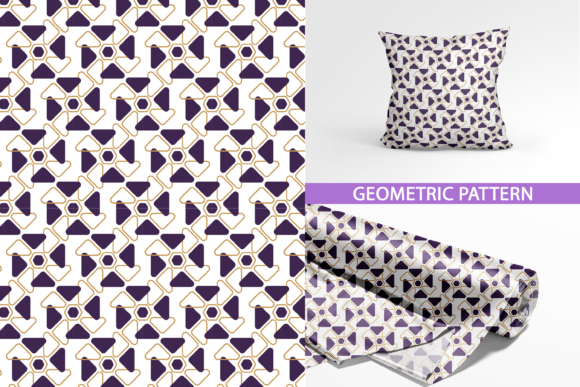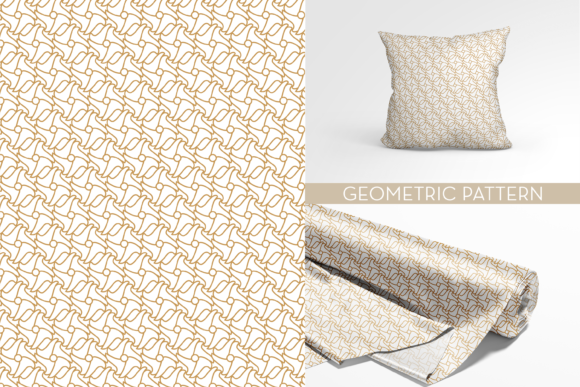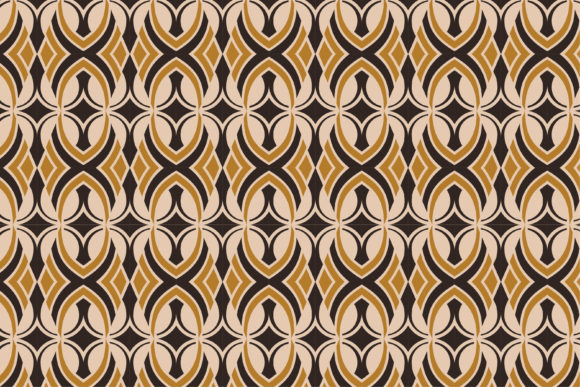
Pattern with Geometric Shapes for Creative Projects
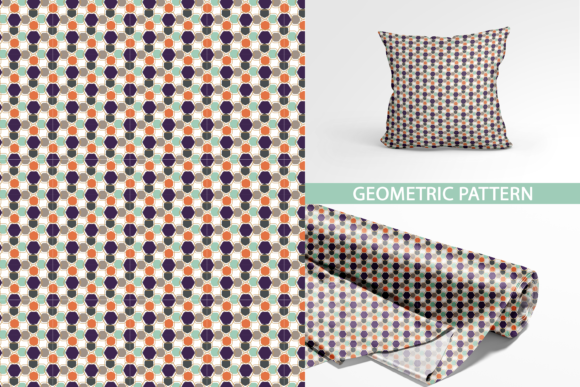
When you look at a wall, a piece of fabric, or a digital wallpaper, you often notice more than just the color. You see the rhythm of lines, the repetition of forms, and the underlying structure that makes an image feel balanced. Pattern with Geometric Shapes is exactly that: a deliberate arrangement of shapes like triangles, squares, circles, and polygons to create a cohesive visual design. While the concept sounds simple, the application is vast, offering a versatile tool that transforms plain surfaces into dynamic backdrops.
The specific tartan seamless pattern described here takes this concept further by blending traditional plaid aesthetics with modern vector precision. It is not merely a static image; it is a high-resolution resource designed to be scalable and adaptable. Whether you are working on a large-scale interior renovation or a small craft project, having access to clean, editable geometric patterns provides a foundation for creativity that saves time and elevates quality.
Why Different Audiences Value Geometric Designs
The value of a geometric pattern lies in its ability to serve different needs depending on who is using it. A designer might see it as a workflow efficiency tool, while a hobbyist might view it as a source of inspiration. Understanding these varying perspectives helps clarify why such resources are so widely used across industries.
For Professionals and Creators
For graphic designers, fashion designers, and interior decorators, the primary concern is usually flexibility and resolution. When a professional starts a new client project, they need assets that can adapt to various formats without losing quality. This is where the vector nature of the pattern becomes critical.
- Scalability: Because the file is a vector illustration, a designer can scale the tartan pattern from a tiny business card to a massive billboard without pixelation. The 3000×2000 pixel dimensions ensure it is ready for high-definition printing immediately.
- Customization: Professionals often need to tweak colors to match a brand's specific palette. The availability of .Ai (Adobe Illustrator) and .Eps files means the artwork is fully editable. A designer can isolate individual shapes, change the hue of the red stripes, or adjust the spacing of the grid to fit a specific brief.
- Integration: For those working in technical fields, the inclusion of .DXF (AutoCAD Interchange File) and .SVG files allows the pattern to be imported directly into architectural plans or web development projects seamlessly.
For Small Business Owners and Marketers
Entrepreneurs and marketers often struggle with maintaining a consistent visual identity while managing tight budgets. They need materials that look professional but do not require hiring a full-time design team for every single asset.
A seamless tartan tile is an excellent solution for creating branded merchandise, packaging, or social media content. Because the pattern repeats perfectly, it can cover entire backgrounds for promotional banners or be used as a texture on product labels. The ability to export a transparent .PNG file is particularly useful for overlaying text or logos on top of the pattern without dealing with white boxes around the edges.
For Educators and Students
In educational settings, geometric patterns offer a unique intersection of art and mathematics. Teachers can use these designs to explain concepts like symmetry, tessellation, and coordinate geometry. The clear lines and distinct shapes make abstract mathematical ideas concrete and visible.
Students learning about color theory or composition can analyze how the interplay of different geometric forms creates visual interest. Furthermore, the availability of free or low-cost resources like this allows schools to provide high-quality materials for digital art classes or printmaking workshops without straining limited budgets.
For Hobbyists and DIY Enthusiasts
Hobbyists often prioritize ease of use and creativity over complex editing capabilities. For someone making handmade cards, scrapbooking, or crafting home decor items, the process should be intuitive. The "Quick and easy to customize" feature mentioned in the file details suggests that even users with basic software skills can modify the pattern.
Imagine a crafter wanting to create a custom wrapping paper for a birthday gift. By downloading the JPG file with a white background, they can easily print it out, cut it to size, and assemble it. If they want to try their hand at laser cutting wood or acrylic, the DXF file provides the precise coordinates needed for the machine to follow the geometric paths accurately.
Evaluating Quality and Practicality
When selecting a digital asset, it is important to look beyond the visual appeal and consider the technical specifications that determine long-term usefulness. High resolution is non-negotiable for print work, but it also matters for digital displays where crispness enhances user experience.
The RGB color mode ensures that the pattern looks vibrant on screens, which is essential for web designers and bloggers creating thumbnails or blog headers. However, for those planning to print, understanding the difference between the .JPG (white background) and .PNG (transparent background) options is key. Using the wrong format can lead to wasted ink or awkward overlays in your final design.
Reliability is another factor. A seamless pattern must repeat without visible breaks or gaps. The description confirms that these tiles are seamless, meaning you can extend them infinitely in any direction. This reliability gives creators confidence that their project will look polished, whether it is a wallpaper for a living room or a textile print for a clothing line.
Making the Right Choice for Your Project
Deciding whether to incorporate Pattern with Geometric Shapes into your workflow depends on your specific goals. If you need a quick way to add texture to a presentation slide, the JPG version is likely sufficient. If you are launching a fashion collection, the editable .Ai file is indispensable for adapting the tartan to your seasonal color trends.
Consider the following questions to determine if this resource fits your needs:
- Do I need to change the colors? If yes, ensure you download the vector (.Ai, .Eps, .SVG) versions.
- Is this for print or screen? For print, check the DPI and color mode requirements; for screen, the transparency of PNGs is vital.
- Am I using specialized software? Architects or engineers might specifically need the DXF format for CAD compatibility.
- Do I need a background-free element? Use the .PNG file to layer the pattern over other images or text.
Ultimately, the strength of this geometric tartan pattern lies in its versatility. It bridges the gap between traditional craftsmanship and modern digital production. By providing multiple file formats and high-resolution outputs, it supports a wide range of users, from the beginner picking up their first design tool to the seasoned professional managing complex commercial projects. Whether you are designing a house interior, a trendy wallpaper, or a hand-crafted item, having a reliable, unique geometric base allows you to focus on the creative vision rather than the technical limitations of the medium.