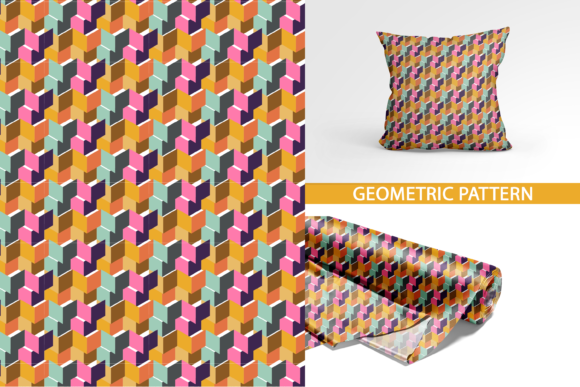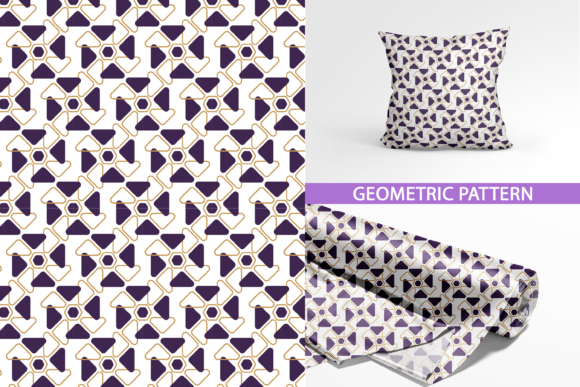
Geometric Pattern with Stripes, Lines
In the realm of digital design and visual arts, Geometric Pattern with Stripes, Lines represents a versatile category of assets that blend mathematical precision with aesthetic appeal. These designs are characterized by their structured arrangement of shapes, often incorporating tartan-style weaves or linear elements to create seamless textures. When evaluating these assets for a project, it is essential to understand not just their visual output, but also their technical specifications, file versatility, and suitability across various industries.
The core value of this specific geometric pattern lies in its high-resolution capabilities and its adaptability. Unlike raster images that degrade when scaled, vector-based versions ensure crisp lines regardless of the output size. The inclusion of formats such as .Ai, .Eps, and .SVG allows designers to manipulate individual elements, making these patterns highly functional tools rather than static background images. This flexibility is particularly valuable for professionals who require precise control over color, scale, and composition.
Understanding the Design Characteristics
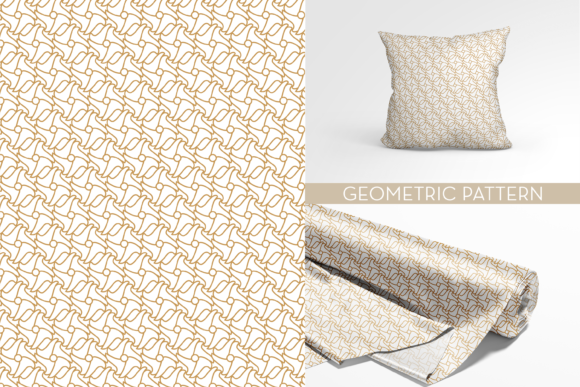
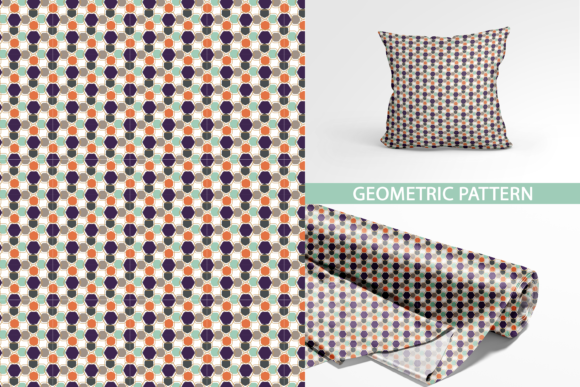
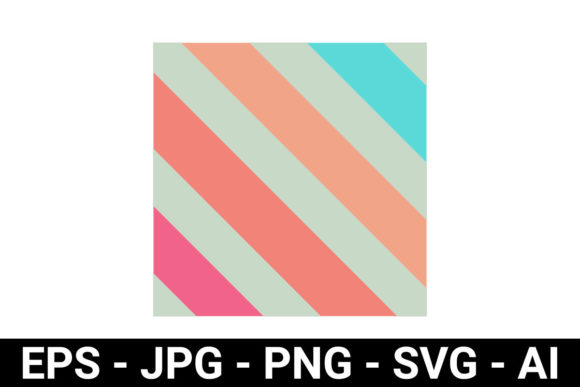
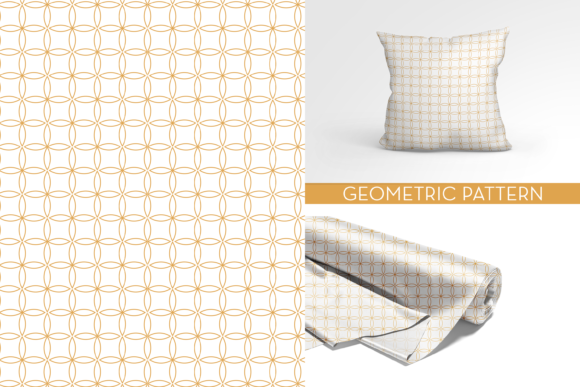
A Geometric Pattern with Stripes, Lines typically features a repeating motif that creates a continuous surface. In the context of the specific asset described, the design incorporates a tartan seamless pattern. Tartan is historically associated with woven fabrics, characterized by crisscrossed horizontal and vertical bands in multiple colors. When translated into a digital vector format, this traditional look is modernized into a trendy illustration suitable for wallpapers and decorative surfaces.
The dimensions of 3000×2000 pixels in RGB color mode provide a substantial canvas for high-quality printing and large-format displays. The "seamless" nature of the tile means that the edges align perfectly, allowing the pattern to be tiled infinitely without visible breaks. This is a critical feature for applications like web backgrounds, textile printing, and interior wall coverings where continuity is paramount.
Why Professionals Choose This Asset
Designers and creators select these patterns based on a combination of aesthetic trends and practical utility. The primary reason for interest is the balance between structure and creativity. Geometric stripes offer a sense of order and rhythm that can organize complex layouts, while the specific tartan variation adds a touch of classic sophistication or contemporary edge depending on the color palette used.
- Versatility Across Industries: The pattern suits diverse fields including fashion design, house interior design, and hand crafts. Its ability to function as both a subtle texture and a bold focal point makes it a multi-purpose tool.
- Technical Accessibility: With support for AutoCAD interchange files (.DXF), these patterns extend beyond graphic design into architectural and engineering contexts. This allows for precise scaling in floor plans or structural designs.
- Customization Efficiency: The inclusion of editable source files (.Ai, .Eps) enables quick customization. Users can alter stroke widths, swap colors, or rearrange lines to fit a specific brand identity without starting from scratch.
Evaluating Benefits and Tradeoffs
When considering the adoption of a Geometric Pattern with Stripes, Lines, one must weigh the benefits against potential limitations. The most significant advantage is the high resolution and vector nature of the files. A 300 DPI standard ensures that prints remain sharp even at large sizes, which is a common requirement for packaging, banners, and fabric swatches. Furthermore, the availability of a transparent background PNG and a white background JPG offers immediate usability for different workflow needs.
However, there are tradeoffs to consider. While the pattern is described as "trendy," geometric styles can sometimes feel dated if not integrated carefully with modern typography and layout techniques. Additionally, the complexity of the tartan weave might pose challenges for very small-scale applications, such as mobile app icons, where fine details could become muddy. Users must also consider the learning curve associated with editing vector files; while the templates are designed for easy customization, proficiency in software like Adobe Illustrator is often required to fully utilize the .Ai and .Eps features.
Situations Where It Is a Strong Fit
This asset is an ideal choice for projects requiring a cohesive visual theme that relies on repetition and structure. For instance, in fashion design, the seamless nature of the pattern allows for efficient texturing of clothing models or creating full-body print layouts. Similarly, in house interior design, the pattern serves well for wallpaper mockups, upholstery fabric simulations, or decorative paper for gift wrapping and stationery.
The inclusion of DXF and PDF formats makes it particularly strong for hand crafts and manufacturing. Laser cutting machines or CNC routers can utilize the DXF file to cut intricate shapes out of wood, acrylic, or metal, using the geometric lines as guides for precision cuts. In these scenarios, the pattern is not merely decorative but functional, driving the physical production process.
Alternatives and Considerations
While the Geometric Pattern with Stripes, Lines is robust, it may not be the best fit for every scenario. If a project requires organic, fluid, or nature-inspired aesthetics, a rigid geometric pattern might clash with the desired mood. In such cases, abstract watercolor textures or irregular brush strokes would be more appropriate alternatives.
Furthermore, for users working strictly within web environments where file size is a critical performance factor, the high-resolution vector files might need significant optimization before use. While SVGs are generally efficient, complex tartan patterns with thousands of anchor points can slow down page rendering if not simplified. Designers should evaluate whether a lower-resolution raster version (JPG/PNG) suffices for their specific bandwidth constraints.
Another consideration is the color mode. The default RGB mode is optimized for screens. For professional offset printing, converting these files to CMYK is necessary to avoid color shifts. While many editors handle this conversion automatically, it is a step that must be managed to ensure accuracy in the final physical product.
Decision-Making Insights
To determine if this asset aligns with your goals, start by defining the end-use medium. If the output involves large-scale printing, web backgrounds, or vector-based crafting, the high resolution and editable formats make this a strong candidate. The ability to edit the lines and stripes allows for tailoring the pattern to specific brand guidelines, adding significant value over pre-rendered images.
Conversely, if the project demands a unique, non-repeating texture or a style that deviates sharply from structured geometry, this pattern may limit creative expression. In those instances, investing time in custom creation or sourcing a more organic asset library might yield better results.
Ultimately, the decision rests on the need for scalability and customization. The comprehensive file suite—ranging from .PDF and .SVG to .DXF and .Ai—suggests that this asset is built for longevity and adaptability. By understanding the technical requirements of your project and matching them against the specific features of the Geometric Pattern with Stripes, Lines, you can ensure a seamless integration into your workflow. Whether used for a trendy wallpaper, a sophisticated fashion print, or a precise craft project, the pattern's structural integrity and high-definition quality provide a reliable foundation for professional design work.