The Art and Utility of Fancy Ornate Pattern Mosaic in Modern Design
In the realm of visual aesthetics, few elements command attention quite like the Fancy Ornate Pattern Mosaic. This intricate art form transcends simple decoration; it represents a convergence of history, mathematics, and artistic expression. Whether found on the grand ceilings of historic cathedrals or integrated into contemporary digital interfaces, these designs offer a unique blend of complexity and harmony. For professionals, hobbyists, and educators alike, understanding the nuances of this medium provides a deeper appreciation for how pattern influences perception and space.
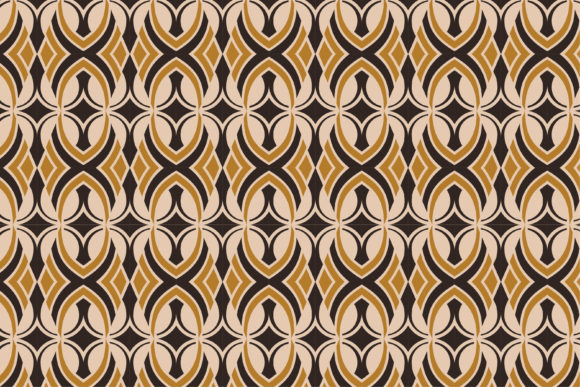
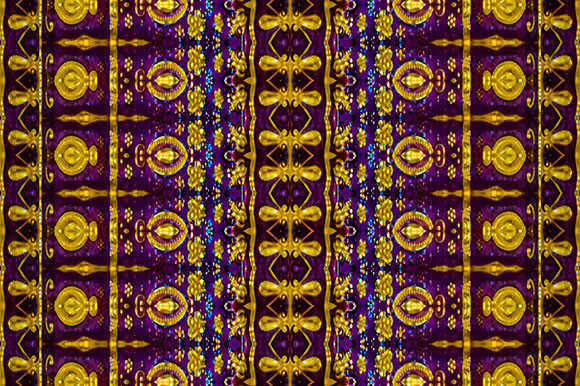
The term itself suggests a specific aesthetic: "Fancy" implies an elevated level of detail and sophistication, while "Ornate" points to elaborate decoration. When combined with "Pattern Mosaic," we are looking at a structured arrangement of small pieces—whether physical tiles, digital vectors, or mixed media—to create a larger, cohesive image. The inclusion of decorative ornate baroque vector pattern mosaic design further refines this concept, introducing fluid lines, dramatic contrasts, and classical motifs that have stood the test of time. This article explores the multifaceted world of these designs, moving beyond surface-level observation to examine their practical applications, technical composition, and enduring relevance.
Historical Roots and Evolution of Ornate Mosaics
To understand the modern application of fancy ornate patterns, one must first look to their origins. The mosaic technique dates back thousands of years, with early examples found in ancient Mesopotamia and Egypt. However, it was the Romans and Byzantines who perfected the art, using it to narrate stories and display wealth through walls and floors covered in tesserae. The baroque era later introduced a new dimension to these patterns, emphasizing movement, tension, and exuberant detail.
Today, the spirit of these historical techniques lives on through digital vector graphics. A baroque vector pattern mosaic design captures the essence of hand-cut stone but offers the flexibility of infinite scalability. Unlike traditional mosaics, which are bound by the physical limitations of materials, digital versions allow creators to manipulate color, scale, and texture with precision. This evolution has democratized access to high-end ornamental design, allowing architects, web developers, and interior designers to incorporate complex baroque elements without the prohibitive cost and labor of traditional installation.
- Ancient Foundations: Early civilizations used simple geometric shapes to create durable floor coverings.
- Roman Innovation: Introduction of colored glass and stone to create pictorial scenes.
- Baroque Flourish: Shift towards swirling acanthus leaves, scrolls, and dynamic compositions.
- Digital Renaissance: Vector technology enabling seamless tiling and color variation.
The Anatomy of a Decorative Baroque Mosaic
What exactly constitutes a fancy ornate pattern mosaic? At its core, it is a system of repetition and variation. The "mosaic" aspect refers to the construction from individual units, while the "ornate" descriptor defines the complexity of those units. In a baroque context, these units often feature asymmetrical curves, heavy ornamentation, and a sense of theatricality.
When working with mixed colors, the challenge lies in balancing vibrancy with cohesion. A successful design does not merely pile colors together; it uses them to create depth and hierarchy. Darker tones often recede, providing a background that allows lighter, more intricate details to pop forward. This interplay creates a three-dimensional effect even on a flat surface. For researchers studying visual perception, these patterns serve as excellent examples of how the human eye processes complex information, seeking order within apparent chaos.
The use of vector graphics is particularly transformative here. Vectors rely on mathematical equations rather than pixels, meaning a Fancy Ornate Pattern Mosaic can be resized from a business card to a building facade without losing any sharpness. This scalability is crucial for businesses that need consistent branding across various media. Furthermore, vector files are easily editable, allowing designers to swap out color palettes instantly to match seasonal trends or corporate identity guidelines.
Practical Applications Across Industries
The versatility of ornate mosaic patterns extends far beyond the museum wall. Their utility spans a diverse array of sectors, each leveraging the unique properties of these designs to achieve specific goals.
Interior Architecture and Real Estate
In the world of real estate, first impressions are paramount. A foyer featuring a Fancy Ornate Pattern Mosaic immediately signals luxury and attention to detail. Architects often use these patterns to guide foot traffic or define zones within an open-plan space. By varying the density of the pattern, a designer can subtly indicate where a hallway ends and a living area begins. In commercial spaces, such as hotels and casinos, these designs are used to create an atmosphere of opulence that encourages guests to linger longer.
Digital Media and Web Design
While minimalism has dominated web design for the past decade, there is a growing trend toward maximalism and texture. Developers are increasingly incorporating ornate vector backgrounds to add character to landing pages. A subtle baroque vector pattern mosaic design can provide a rich backdrop for text without overwhelming the user interface. Because vectors load quickly and do not pixelate on high-resolution screens, they are ideal for responsive web design. They allow for interactive elements where the pattern might shift slightly upon hovering, adding a layer of engagement.
Fashion and Textile Printing
The fashion industry has long drawn inspiration from historical art. Luxury brands frequently utilize ornate mosaic prints for fabric collections. The ability to tile these patterns seamlessly makes them perfect for clothing, scarves, and upholstery. Mixed colors in these textiles can evoke different moods; gold and deep red suggest royalty, while pastel mosaics might appeal to a younger demographic seeking vintage aesthetics.
Advantages of Digital Over Traditional Methods
Why has the industry shifted so heavily toward digital representations of these ancient forms? The answer lies in efficiency, customization, and sustainability. Traditional mosaics require skilled artisans, significant material waste, and extensive curing times. Once installed, they are difficult to alter. In contrast, a digital Fancy Ornate Pattern Mosaic offers immediate iteration.
Consider the workflow of a modern graphic designer. They can import a base vector file, adjust the hue and saturation of specific elements, and export the final asset in seconds. This speed allows for rapid prototyping. If a client dislikes the current color scheme, a new version can be generated before the project moves to production. This flexibility reduces the risk of costly errors and ensures the final product aligns perfectly with the client's vision.
Furthermore, digital patterns are inherently sustainable in terms of resource consumption. There is no quarrying of stone, cutting of glass, or transportation of heavy materials. The energy footprint is significantly lower, relying primarily on electricity for computing. This aligns with the growing demand for eco-friendly practices in both architecture and manufacturing.
Implementation Strategies for Professionals
For those looking to integrate these designs into their projects, several key strategies ensure success. The most critical factor is context. An ornate pattern should never be used simply because it looks pretty; it must serve a functional purpose within the design language of the project.
- Establish Hierarchy: Determine where the pattern will act as a focal point and where it should recede. Use size and opacity to manage visual weight.
- Color Theory: Utilize complementary colors to create contrast, or analogous colors for a harmonious flow. Ensure sufficient contrast between the pattern and any overlaid text for readability.
- Scalability Testing: Always preview the pattern at actual sizes. A detail that looks stunning at 50% zoom might become muddy when printed on a large banner.
- File Optimization: Keep vector files clean by removing unnecessary anchor points. This ensures faster loading times for web assets and easier editing in software like Adobe Illustrator or CorelDRAW.
Educators teaching design principles can also benefit from analyzing these patterns. They provide a tangible way to teach concepts like repetition, rhythm, balance, and unity. By deconstructing a complex baroque mosaic, students can learn how simple shapes combine to form intricate wholes. This analytical approach fosters critical thinking and enhances creative problem-solving skills.
Trends and Future Directions
The future of ornate pattern mosaics appears bright, driven by advancements in generative AI and parametric design. Software tools are now capable of generating endless variations of baroque motifs based on simple input parameters. This opens up possibilities for personalized products, where a consumer could input their name or initials, and the system would weave them into a custom mosaic design.
Additionally, the integration of augmented reality (AR) is poised to revolutionize how we experience these patterns. Imagine pointing a smartphone at a blank wall and seeing a Fancy Ornate Pattern Mosaic projected onto it in real-time. This technology allows homeowners and business owners to visualize renovations before committing to the expense. It bridges the gap between imagination and reality, making high-end design accessible to a broader audience.
As we move forward, the line between physical and digital art will continue to blur. We may see 3D printers creating physical tiles based on digital vector files, combining the tactile satisfaction of traditional mosaics with the precision of modern engineering. Regardless of the medium, the fundamental appeal remains the same: the human desire for beauty, complexity, and meaning in our surroundings.
Conclusion: A Timeless Visual Language
The journey through the world of fancy ornate pattern mosaics reveals a landscape rich with history, innovation, and practical utility. From the stone floors of antiquity to the vector layers of modern software, these designs continue to evolve while retaining their core essence. They remind us that decoration is not merely superficial; it is a powerful tool for communication, branding, and emotional connection.
Whether you are a professional architect seeking to elevate a lobby, a web developer aiming to enhance user experience, or a hobbyist exploring creative outlets, the principles of the Fancy Ornate Pattern Mosaic offer valuable insights. By understanding the balance of color, structure, and history, creators can harness the power of these intricate designs to produce work that is both visually stunning and functionally sound. As technology advances, the potential for these patterns to inspire and delight only grows, ensuring their place in the canon of design for generations to come.