Abstract Shape Tile for Background: A Practical Evaluation
In the current landscape of digital design and print production, the demand for high-quality, versatile background assets has never been higher. The Abstract Shape Tile for Background collection represents a significant resource for professionals seeking to elevate their visual projects without compromising on originality or technical precision. This ZIP folder is not merely a collection of images; it is a comprehensive suite of vector and raster files designed to serve as foundational elements for a wide array of creative endeavors.
The core value of this asset lies in its seamless integration capabilities. Whether you are a graphic designer constructing a corporate identity, a web developer building a responsive landing page, or a small business owner creating marketing materials, the ability to utilize a pattern that repeats flawlessly across any dimension is crucial. The collection includes formats such as AI, EPS, SVG, JPG, and PNG, ensuring compatibility with industry-standard software ranging from Adobe Illustrator and Photoshop to web-based design tools and print preparation systems.
Technical Versatility and Format Utility
The inclusion of multiple file formats within the Abstract Shape Tile for Background package addresses the primary friction point in modern workflows: scalability and resolution independence. For users working with large-format printing, such as banners, signage, or fabric wraps, the vector files (AI, EPS, SVG) are indispensable. These formats allow for infinite scaling without pixelation, ensuring that the intricate details of the geometric patterns remain crisp regardless of the output size.
Conversely, the raster options (JPG, PNG) provide immediate utility for web applications and quick mockups. High-resolution PNGs with transparency support are particularly valuable when layering these shapes over photographs or other complex backgrounds. The presence of both line art and filled variations offers designers the flexibility to adjust opacity, blend modes, and color schemes directly within their composition software. This adaptability transforms a static image into a dynamic design element that can be manipulated to suit specific brand guidelines or aesthetic requirements.
Bridging Classical Ornamentation with Modern Geometry
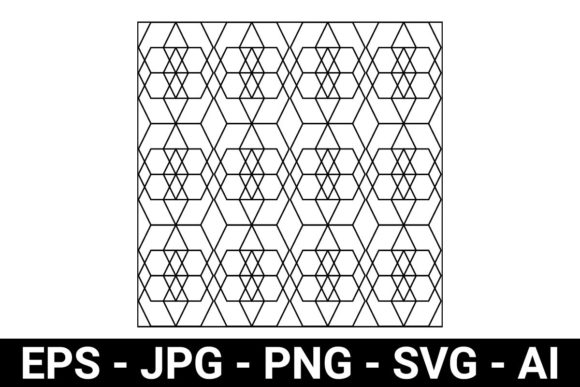
One of the most compelling aspects of this collection is its stylistic duality. It successfully merges the complexity of traditional ornamentation—specifically Islamic, Arabesque, and mosaic influences—with the clean lines of contemporary geometric design. This fusion creates a unique visual language that feels both timeless and current.
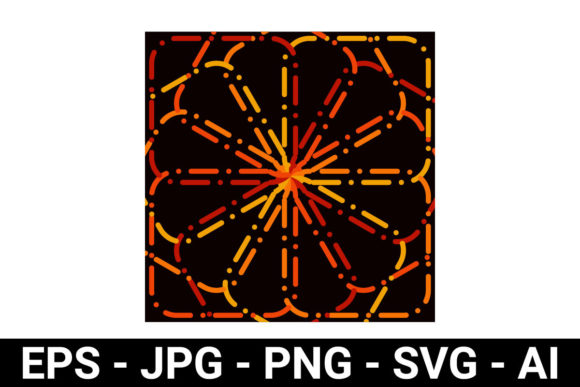
- Classic and Ornate: The detailed patterns featuring rhombus and symmetry elements evoke the grandeur of historical textiles and architectural tiles, making them ideal for luxury branding, event invitations, or editorial layouts.
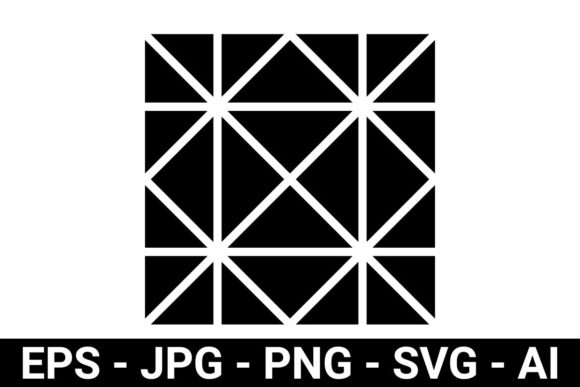
- Modern and Monochrome: Simplified versions utilizing black and white contrasts offer a minimalist approach suitable for tech startups, SaaS platforms, or contemporary interior design concepts.
This range ensures that the Abstract Shape Tile for Background is not limited to a single niche. A freelancer might use the ornate variants for a wedding stationery project while simultaneously employing the simple, monochrome geometry for a financial report cover. The consistency in quality across these varied styles maintains a cohesive professional standard throughout the user's portfolio.
Practical Applications Across Industries
The utility of abstract shape tiles extends far beyond simple decoration. In professional settings, these assets function as structural components that guide the viewer's eye and establish hierarchy. For educators and publishers, using a subtle pattern background can make dense text more readable and visually engaging, breaking up long blocks of information without causing distraction.
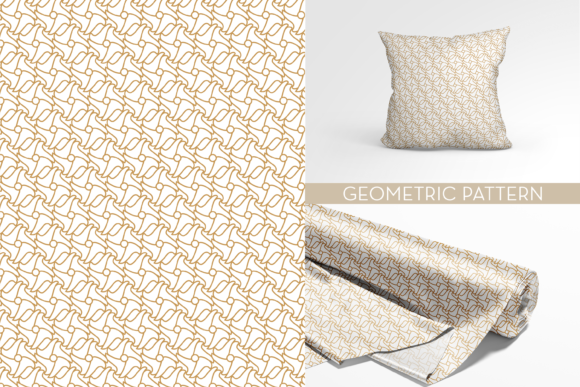
In the realm of fashion and textile design, the seamless nature of these patterns is critical. Designers can apply these vectors directly to fabric swatches, wrapping paper, or packaging materials. The ability to repeat the pattern perfectly means there are no visible seams or awkward interruptions, which is a common pitfall when sourcing generic stock imagery. The inclusion of wrapping and paper specific contexts highlights the practical consideration given to physical production needs.
Marketers and content creators will find particular value in the backdrop potential of these graphics. When producing video content, social media stories, or presentation slides, a plain background often fails to capture attention. A sophisticated graphic element like an abstract shape tile adds depth and texture, elevating the perceived value of the content. Because the designs are available in various complexities, they can be used as dominant features or as subtle textures that sit behind text and calls-to-action.
Evaluating Quality and Consistency
From an objective standpoint, the reliability of a design asset is measured by its consistency and ease of use. The Abstract Shape Tile for Background collection demonstrates a high level of craftsmanship. The lines are clean, the intersections are precise, and the symmetry holds true across different scales. This precision reduces the time spent on post-processing, such as fixing jagged edges or aligning mismatched corners, allowing professionals to focus on the broader creative strategy.
The color palettes, primarily focusing on black and white variations, offer maximum flexibility. While some collections lock colors into specific themes, monochrome assets allow users to apply their own color grading. This is essential for maintaining brand integrity. A marketer can easily recolor a pattern to match a company's exact hex code without losing the structural integrity of the design. The print quality is also evident; the files are optimized to handle the density required for high-quality commercial printing without becoming muddy or overly heavy.
Limitations and Considerations
No design resource is universally perfect, and understanding the limitations is key to effective usage. While the vector files offer superior scalability, they require software capable of handling complex path data. Users working strictly in basic mobile apps or lightweight editors may find the AI or EPS files difficult to manipulate compared to the JPG or PNG alternatives.
Additionally, the "abstract" nature of the shapes means they may not immediately convey specific semantic meaning. Unlike icons or literal illustrations, these patterns set a mood rather than telling a story. Therefore, they must be paired with strong typography and clear messaging to ensure the communication goal is met. Overuse of dense patterns can also lead to visual fatigue, particularly in text-heavy documents. The key is moderation—using the decorative elements to frame content rather than overwhelm it.
Who Benefits Most from This Resource?
The Abstract Shape Tile for Background collection is particularly well-suited for:
- Professional Graphic Designers: Who need reliable, scalable assets to speed up their workflow and deliver polished results to clients.
- Entrepreneurs and Small Business Owners: Who often wear multiple hats and require cost-effective, high-quality resources to build a professional brand presence without hiring a full-time design team.
- Freelancers and Creators: Who need a diverse library of assets to tackle varied projects, from web design to print collateral, ensuring they always have the right tool for the job.
- Educators and Publishers: Who seek to create engaging, accessible educational materials and publications that stand out in a crowded market.
For these groups, the investment in a structured, high-quality asset pack translates directly into time savings and improved output quality. The ability to switch between a fabric texture, a modern wallpaper, and a classic mosaic pattern provides a level of variety that would otherwise require purchasing multiple separate bundles.
Final Thoughts on Integration
Ultimately, the success of any design project depends on the harmony between its elements. The Abstract Shape Tile for Background collection excels in providing a foundation that supports rather than competes with the primary message. Its strength lies in its balance of artistic expression and technical functionality. By offering a robust set of tools that bridge the gap between traditional artistry and modern digital requirements, it serves as a valuable addition to any serious creator's toolkit.
When evaluating whether to incorporate these assets into your workflow, consider the longevity of the project. Patterns that rely on fleeting trends may date quickly, but the geometric and symmetrical foundations found here possess a classic appeal that remains relevant. Whether used for a one-off brochure or a long-term brand identity system, the Abstract Shape Tile for Background offers a reliable, professional solution for those who demand excellence in their visual communication.